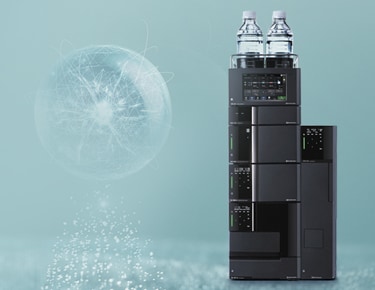


The interface is easily replaced. Use ESI for high-polarity samples, APCI for medium-polarity samples, or APPI for low-polarity samples.
Allows highly sensitive analysis of low-polarity compounds, which cannot be adequately addressed using conventional LCMS ionization methods.
Draft standards restrict the amount of deoxynivalenol contained in wheat flour to 1.1 ppm, which is the toxin in Fusarium mold, but APPI allows analyzing these toxins at concentrations far lower than required by the draft standard.
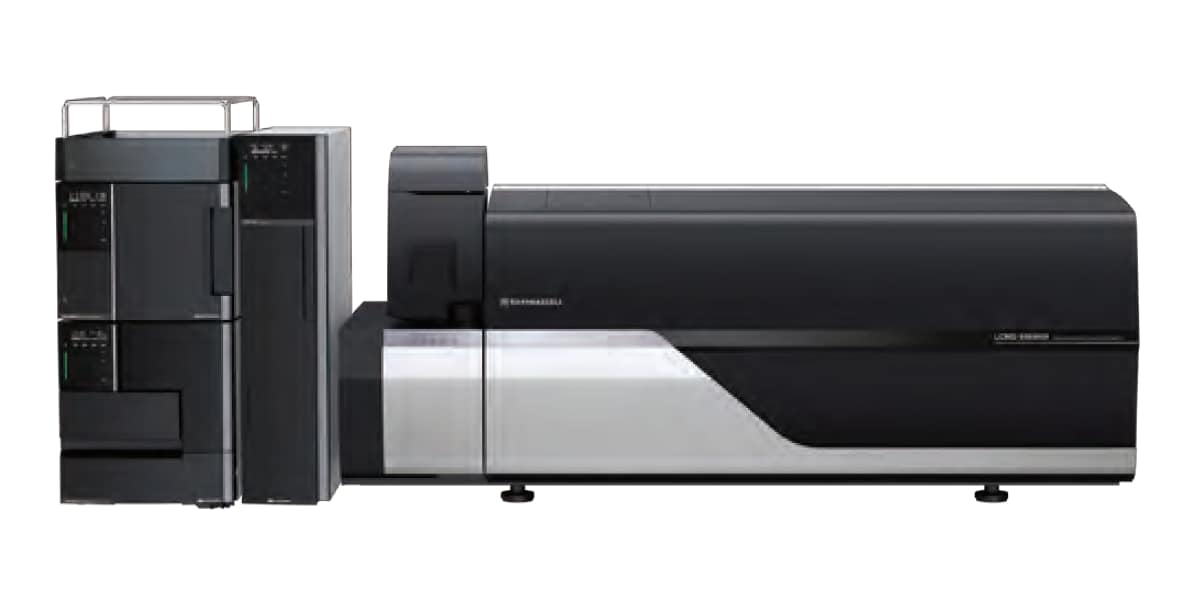
The APPI Kit is attached via the LCMS-2010EV interface section and is used in conjunction with the existing APCI probe. Switching to ESI and APCI modes is easy.
Atmospheric pressure photo ionization (APPI) is a new ionization method that ionizes samples with UV light. It achieves highly sensitive analysis of low-polarity compounds. The mobile phase and sample supplied by the pump are vaporized in the APCI probe by the nebulizer gas and heater and subsequently ionized by UV light.