


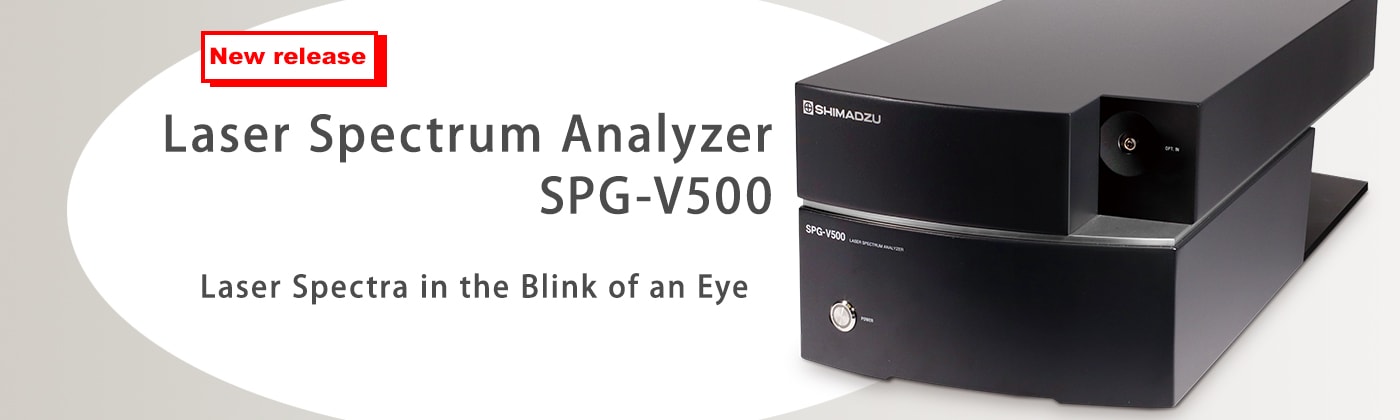

We have accumulated technological expertise over many years in all aspects of spectroscopic techniques.
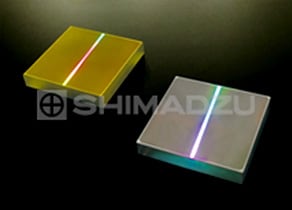
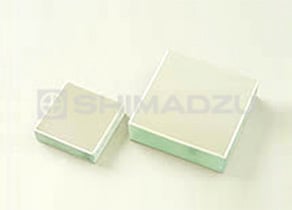
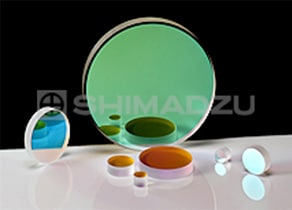
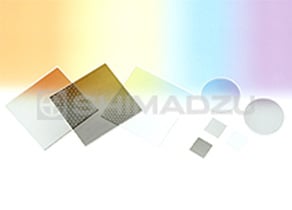
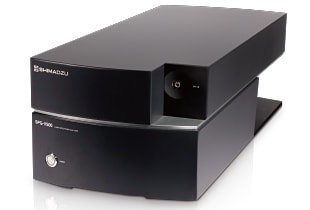
The types of products offered by Shimadzu are wide-ranging, and include not only high precision optical devices essential for spectroscopic techniques, such as diffraction gratings, spherical/ aspherical mirrors, special lenses and polarizers, but also extend to optical instruments such as compact spectroscopes.
Having accumulated technological expertise over many years in all aspects of spectroscopic techniques, Shimadzu responds to the customer's requests and answer them rapidly. Entrust your needs to Shimadzu Corporation.
Select Your Application


News
- January 29, 2024
- May 17, 2023
Exhibition Schedule