



As atividades de Responsabilidade Social Corporativa do Grupo Shimadzu contribuem para o futuro das comunidades regionais.
O Grupo Shimadzu implementa atividades de Responsabilidade Social Corporativa (RSC) em todo o mundo para promover o desenvolvimento sustentável das comunidades locais e da sociedade. Este artigo apresenta as atividades de RSC no projeto de reflorestamento de áreas desérticas na China e uma palestra sobre oportunidades de carreira no Japão.
- SGLC: Atividades de reflorestamento no deserto de Tengger
- Comentário de Zhenyong Zhang, responsável pela área de Tecnologia no Departamento de P&D da SGLC
- Equipe de Rugby SHIMADZU Breakers: Palestras sobre Carreiras e Aulas de Experiência em Rugby
- Comentário do Gerente Geral Kato do time de rugby SHIMADZU Breakers
SGLC: Atividades de reflorestamento no deserto de Tengger
Na China, funcionários da Shimadzu (Shanghai) Global Laboratory Consumables Co., Ltd. (SGLC) realizaram atividades de plantio de árvores no Deserto de Tengger. Em março, cinco funcionários da SGLC visitaram o Deserto de Tengger e doaram 2.815 mudas para prevenir a expansão do deserto, participando também da Atividade de Plantio de Árvores da Primavera organizada pela Base de Bem-Estar Público Ecológico de Contenção da Orla do Deserto de Tengger.
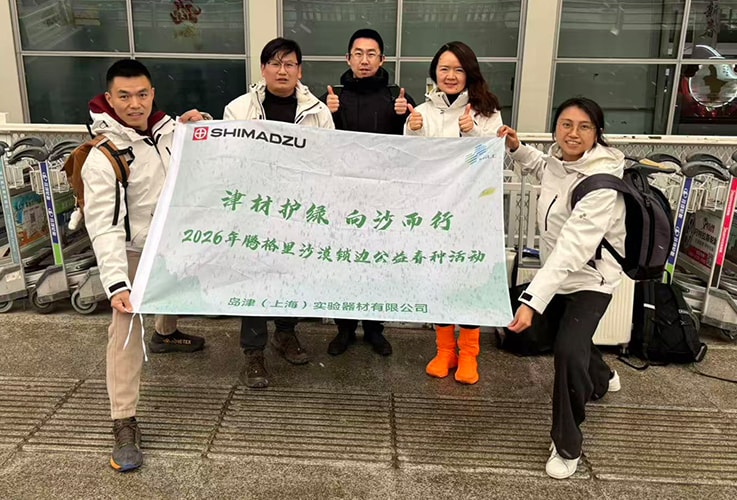
Os cinco funcionários da SGLC que participaram das atividades de plantio.
Devido ao clima seco, à baixa pluviosidade e às fortes tempestades de areia, o Deserto de Tengger é o quarto maior deserto da China e uma das principais fontes de poeira no Leste Asiático. Como medida para combater a desertificação causada por anos de seca e sobrepastoreio, que também afetou as terras agrícolas e pastagens circundantes, a China tem promovido o reflorestamento das bordas do deserto para criar cinturões verdes ao longo da fronteira entre o deserto e o oásis. Em vez de tentar eliminar os desertos, as medidas visam à coexistência baseada em métodos científicos.
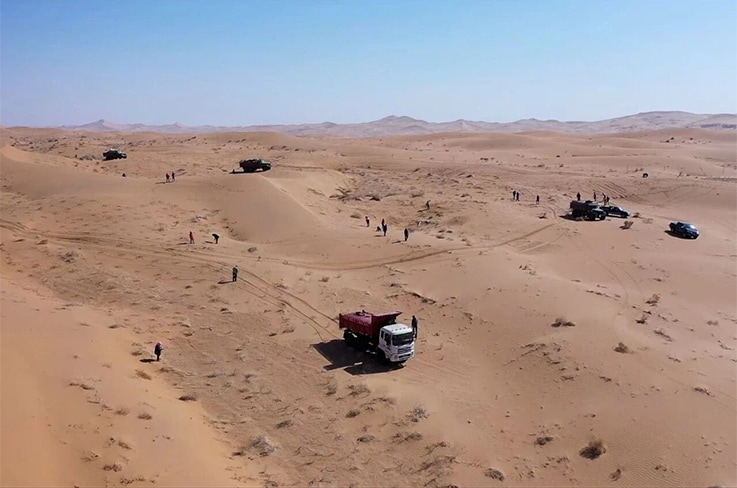
Deserto de Tengger antes do plantio das mudas
O programa da Base de Bem-Estar Público Ecológico de Proteção da Orla do Deserto de Tengger, apoiado pela SGLC, foi estabelecido em 2003. A equipe de plantio, liderada por Xiangrong Wu, chefe da base, promove o reflorestamento e a restauração do ecossistema em cooperação com os departamentos florestais locais e organizações agrícolas e pastoris, com base na filosofia de “plantar árvores e nutrir o coração”. Há mais de 20 anos, a equipe está na vanguarda da gestão do deserto e, até 2025, plantou mais de 15 milhões de árvores na orla leste do Deserto de Tengger, restaurando cerca de 40.000 hectares de terras desertificadas.
Wu acredita que “o que é verdadeiramente aterrador é a desertificação dos corações das pessoas” (a indiferença em relação ao meio ambiente e ao futuro), e as atividades de plantio de árvores da SGLC oferecem uma oportunidade para as pessoas reconsiderarem sua conexão com a terra.
Para melhorar a sobrevivência das mudas mesmo em condições de seca, o método de plantio utilizado no Deserto de Tengger envolve o uso de água em alta pressão para perfurar buracos profundos na areia e, em seguida, plantar as mudas na areia úmida. Esse foi o método efetivamente utilizado pelos participantes para plantar as mudas.
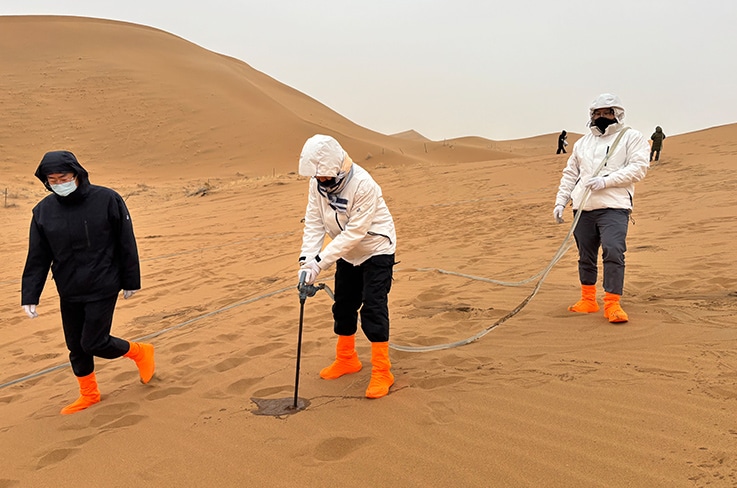
Perfuração de buracos na areia com água em alta pressão

Plantando as mudas
As 2.815 mudas doadas pela SGLC para esta atividade criarão raízes na borda leste do Deserto de Tengger, brotarão e, eventualmente, farão parte das faixas de proteção que impedem a expansão do deserto e sustentam o futuro da região. Essas atividades também contribuem para o Objetivo de Desenvolvimento Sustentável 13, “Ação contra a Mudança Global do Clima”, e para o Objetivo 15, “Vida Terrestre”.
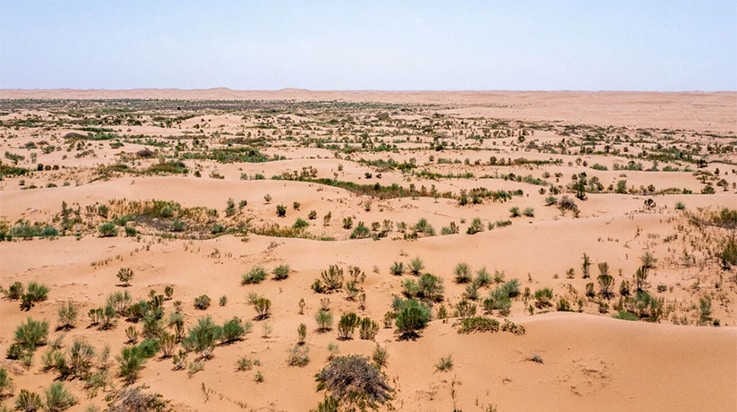
O deserto de Tengger, onde foram plantadas mudas de árvores.
Como empresa comprometida com o desenvolvimento sustentável, a SGLC acredita que o valor de um negócio reside não apenas na geração de lucro, mas também no cumprimento de suas responsabilidades sociais e na retribuição à terra. A SGLC continuará a trabalhar em projetos de restauração de ecossistemas e a defender a gestão ambiental sustentável.
Comentário de Zhenyong Zhang, responsável pela área de Tecnologia no Departamento de P&D da SGLC
Por meio das atividades de reflorestamento no Deserto de Tengger, aprendi a importância de esperar pacientemente pelos resultados ao longo do tempo. Conhecer Wu, que trabalha com reflorestamento em desertos há mais de 20 anos, proporcionou uma valiosa oportunidade de refletir sobre o que significa criar raízes fortes e crescer de forma constante, e ficamos profundamente impressionados com sua abordagem firme de continuar avançando mesmo diante de desafios difíceis.
Além disso, por meio dessas atividades, pude constatar que o princípio de gestão mais prezado do Grupo Shimadzu, “Realizar nossos desejos para o bem-estar da humanidade e da Terra”, se reflete firmemente em suas ações. Algumas coisas na vida só adquirem valor com o tempo. Espero que essas iniciativas de sustentabilidade continuem e que esse espírito seja transmitido a ainda mais pessoas.
Equipe de Rugby SHIMADZU Breakers: Palestras sobre Carreiras e Aulas de Experiência em Rugby
Como parte de suas atividades de responsabilidade social corporativa para transmitir o fascínio e o valor do rugby para crianças da comunidade local, o time de rugby SHIMADZU Breakers vem realizando palestras intituladas “Palestras sobre Carreiras e Aulas de Experiência de Rugby — Todos são Diferentes, Todos são Bons” em escolas de ensino fundamental e escolas de ensino médio para alunos com necessidades especiais na cidade de Kyoto.
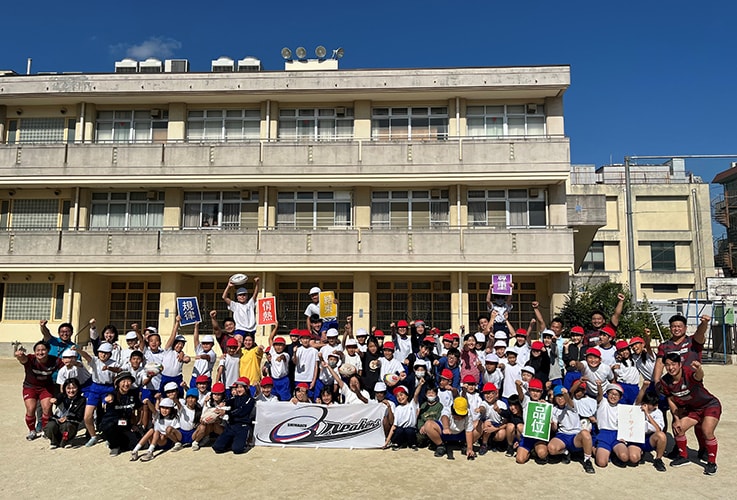
Foto de grupo dos participantes do ensino fundamental
Essas atividades começaram em 2022, motivadas pela participação nas "Aulas de Experiência de Rugby" promovidas pela União Japonesa de Rugby. Como um programa comunitário, os jogadores conversam com crianças sobre a mentalidade, a força e os valores que adquiriram por meio do rugby, com o objetivo de ajudá-las a dar passos rumo à realização de seus sonhos e desenvolver habilidades de trabalho em equipe e resolução de problemas por meio da experiência prática do rugby.
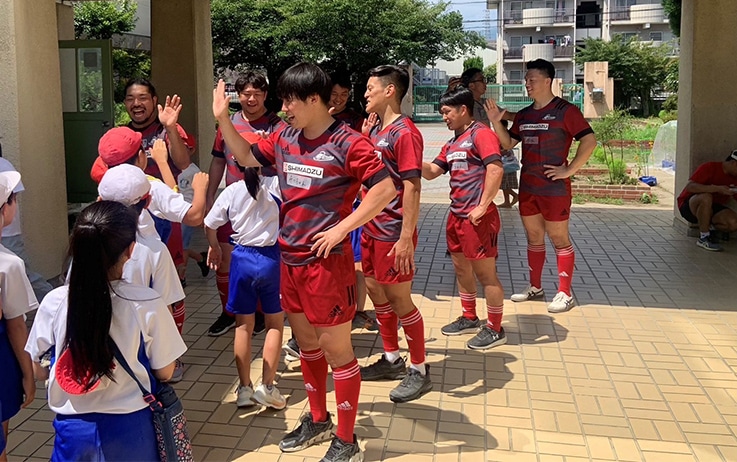
Membros da equipe cumprimentando alunos do ensino fundamental com um "high-five"
Neste programa, e com a cooperação do Conselho Municipal de Educação de Kyoto e da União de Rugby de Kyoto, são realizadas aulas de duas horas nas escolas que as solicitam. Na primeira hora, é ministrada uma palestra sobre carreira, abordando o tema do trabalho e do rugby, explicando a importância da “disciplina, respeito, integridade, paixão e solidariedade” estabelecidas na Carta do Rugby, relacionando-as ao trabalho e à vida cotidiana. Também são traçados paralelos entre as diversas posições no rugby e a divisão de funções no trabalho, para transmitir às crianças a ideia de que todos são diferentes, mas todos são bons.
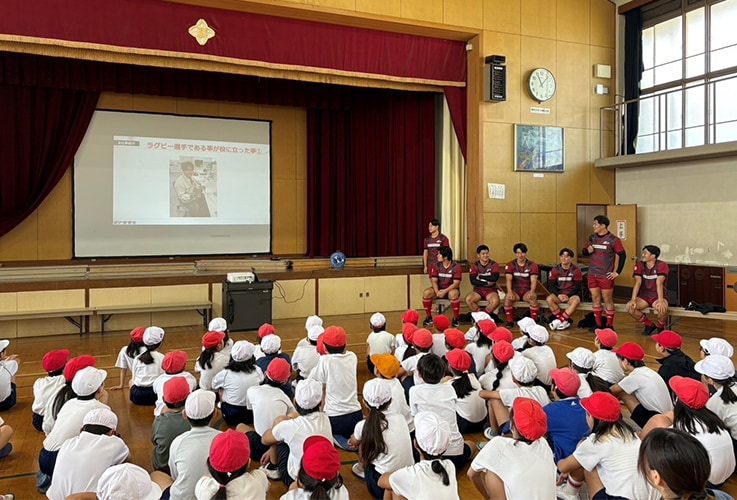
Sessão de conversa sobre carreira
Na segunda hora, os participantes vivenciam atividades de rugby, como revezamentos e recepção de bola, e depois refletem sobre a experiência de acordo com a Carta do Rugby para aprender a importância do trabalho em equipe e da resolução de problemas.
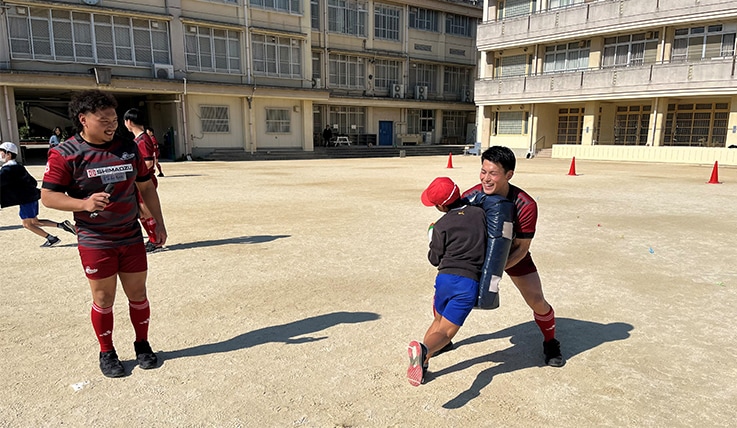
Experimentando o rugby
A equipe de rugby espera conectar essas atividades comunitárias com a promoção de mentes e corpos saudáveis, respeito à diversidade e a capacidade de colaboração. Comentários de alunos do ensino fundamental participantes incluíram: “Eu não era bom em esportes, mas me senti aliviado quando ouvi 'todo mundo é diferente, todo mundo é bom'” e “Dos princípios da Carta do Rugby, quero valorizar especialmente a paixão e a disciplina na minha vida”.


Comentário do Gerente Geral Kato do time de rugby SHIMADZU Breakers
Por meio dessas atividades, percebemos que muitas crianças pensam que levar o esporte a sério significa se tornar um atleta profissional. Espero que a presença de atletas que conciliam trabalho e competição incentive as pessoas a refletirem sobre o equilíbrio entre vida pessoal e profissional e o bem-estar.
O rugby possui muitas posições, e um de seus atrativos é a forma como os jogadores utilizam seus pontos fortes e compensam as fraquezas uns dos outros enquanto avançam juntos. Esperamos que o aprendizado sobre esses aspectos cativantes do rugby fomente um espírito de respeito à individualidade de cada um. Continuaremos a transmitir a riqueza da paixão pelo esporte e a importância da diversidade por meio do rugby.
Links relacionados
- Apoio a jovens pesquisadores em universidades chinesas: Shimadzu realiza o 15º Concurso de Oratória sobre Inovação em Ciência e Tecnologia Universidade de Sichuan-Shimadzu | SHIMADZU TODAY
- Vencendo a Competição Júnior de Ciências Koshien: O Segredo para a Vitória do "Trem Maglev, Vai!" | SHIMADZU TODAY
 Título da página e URL copiados.