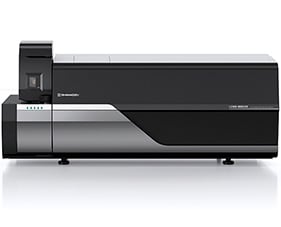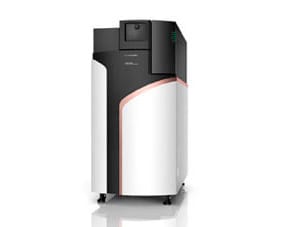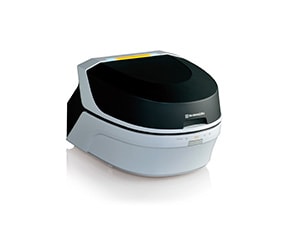
PFAS is the generic name for organofluorine compounds. PFAS exhibit numerous unique properties, such as water and oil resistance, heat resistance, chemical resistance, and non-absorption of light, that depend on the bond strengths between the fluorine (F) and carbon (C) elements contained in the compound. For these reasons, PFAS are used for a wide range of applications and products, such as water repellents, surface treatment agents, emulsifiers, fire extinguishing agents, and coatings. However, due to the strong bonds between the F and C atoms, PFAS are commonly referred to as “forever chemicals” since they are difficult to break down, resulting in environmental persistence and accumulation in living organisms. Some PFAS compounds known to be toxic have been registered as substances covered by the Stockholm Convention on Persistent Organic Pollutants and are now prohibited from being manufactured or used. Given the above circumstances, there is a need for the detection and analysis of PFAS in water, food, soil, and other samples, an analysis that is primarily performed using LC-MS/MS.
To monitor trace amounts of PFAS, a wide variety of factors must be considered, such as the compounds' wide range of chemical properties and potential contamination from equipment and the surrounding environment.
This process requires not only determining appropriate analysis conditions but also analytical expertise.
-

Clean Water
PFAS in Drinking Water
View More
-

Wastewater Management
PFAS in Wastewater
View More
-

Contamination Concern Over Environment
PFAS in Soil and Air
View More
-

Risk Management of Food Contamination
PFAS in Food
View More
-

Investigation in Products
PFAS in Materials and Products
View More
-

Advancing Non-Target Analysis
and Data Processing EfficiencyPreparing for Additional Analysis
View More