


Cell culture / Production control
Whereas small-molecule drugs are mostly manufactured by chemical synthesis, biopharmaceuticals are manufactured using living cells. To increase the production quantity and consistency of proteins used as raw materials for biopharmaceuticals, it is important to understand the metabolism of host cells. Because fluctuations in organic and inorganic components in culture solutions can affect the quantity and quality of antibodies produced, it is important to analyze the quantities of glucose, glutamine, nucleic acids, vitamins, or other organic and inorganic components in culture solutions.
Shimadzu offers support for optimizing quality and production based on monitoring each process step involved in culturing.
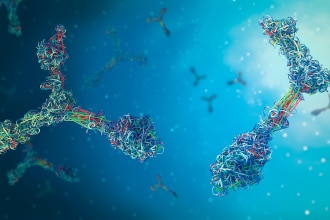
Increasing the efficiency of antibody production requires understanding the metabolism of the various host cells actively being developed. The dynamics of organic and inorganic components in culture solutions are also known to be affected by mutual interactions within the culture solution. Therefore, an integrated data analysis of these component quantities in culture solutions is useful for understanding their metabolism.
Given that glycans are referred to as the “third chain of life,” along with nucleic acids and proteins, there is interest in understanding their role in cell functions and biopharmaceuticals. For example, N-linked glycans that attach to antibodies are known to affect the efficacy and safety of pharmaceuticals.
Therefore, glycan profiles are controlled as critical quality attributes (CQA) for antibody drug development and culturing processes are developed to reliably obtain antibodies linked to target glycans.
Using a strategic review focused on glycan formation mechanisms to efficiently search for culturing parameters intended for controlling glycan profiles is anticipated. An example of data analysis related to glycan formation is provided.
Because culture media components in cell cultures can include a variety of metabolites and other substances secreted from cells, analytical results from simultaneous analysis of organic components in culture media or analysis of inorganic components can be expected to provide information useful when considering more detailed bioprocessing.