
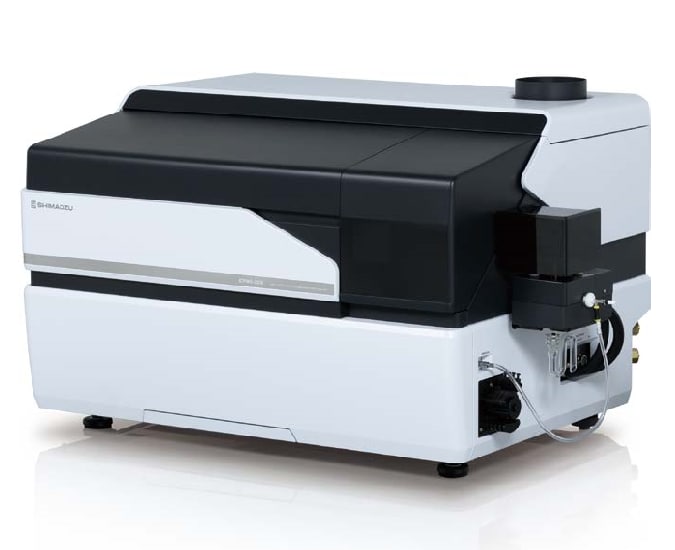
ICPMS-2030


Inductively Coupled Plasma Mass Spectrometry
Fish is one of the most important food resource that is widely consumed in many parts of the world due to its high protein content, low saturated fats and omega-3 fatty acid. However, because of industrial discharges from human activities, fish may have trace levels of heavy metals such as arsenic, cadmium, lead, mercury and nickel which are absorbed from the surrounding waters and the foods they eat. Not only do these heavy metals accumulate in organisms and circulate in food chain, they also remain in the sediments of the ecosystem in the long term. The toxicity of these metals poses a concern to human health through the consumption of fish. Fish are the single largest sources of mercury and arsenic for man. Mercury is a known human toxicant and the primary sources of mercury contamination in man are through eating fish. Minamata disease is a methylmercury poisoning associated with the daily consumption of large quantities of fish and shellfish heavily contaminated with the toxic chemical. Here, Shimadzu ICPMS-2030, a inductively coupled plasma mass spectrometer (ICP-MS) was used to conduct a simultaneous analysis of elements in fish. In addition to being highly sensitive, the ICPMS-2030 uses a helium gas collision system that greatly reduces the spectral interference caused by argon and chlorine.
December 15, 2017 GMT