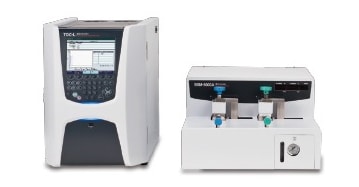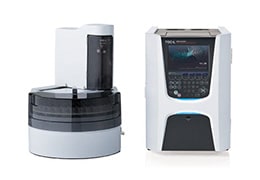
TOC-L Series


Total Organic Carbon
Orthopedic implants are medical devices used to support damaged bones or even to replace missing joints. The number of surgeries for the insertion of implants is increasing because of advancements in implant products and improvement of surgery techniques. Implants must be biocompatible and especially clean to mitigate the risk of implant rejection and other health issues for the patient. Due to this, effective methods for cleaning and for the evaluation of cleanliness in the production of implants are of great importance. ISO19227:2018 describes guidelines and various test methods for the evaluation of cleanliness of orthopedic implants. One parameter introduced as common practice for the evaluation of water-soluble organic contaminants, is Total Organic Carbon (TOC). While TOC measurement does not enable the identification of contamination, it can accurately define the amount of organics in total. The parameter is commonly used in cleaning validation for pharmaceutical production facilities as well. With its TOC-L series TOC analyzer, Shimadzu offers a highly suitable tool to validate the cleanliness of orthopedic implants by liquid extraction. Using the femoral component of a knee implant as a test sample, organic contaminants have been purposely applied to the implant’s surface. Following liquid extraction and subsequent TOC measurement, the organic contamination on the surface of the implant could be detected and evidenced quickly and with good precision.
May 23, 2019 GMT