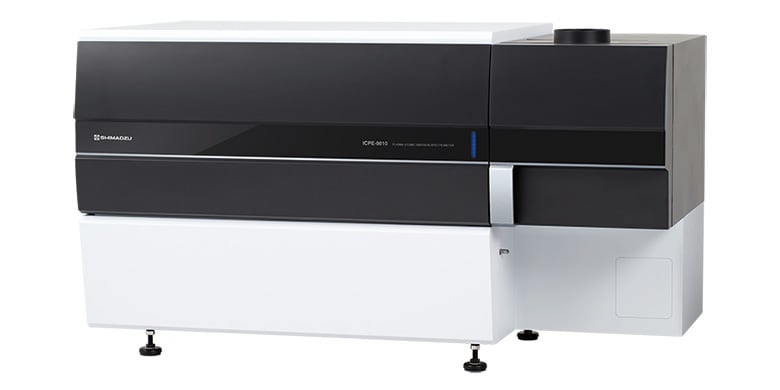
ICPE-9800 Series


Among the world's three major crops, rice, corn, and wheat, rice is the staple food crop of the people of Asia. Brown rice refers to the grain that remains after the outer shell is removed from the rice fruit. Also, once the germ and rice bran are removed by milling the surface of the brown rice, the remaining grain is referred to as white rice. As brown rice contains a good balance of nutrients, including proteins and lipids, minerals, vitamins, and dietary fiber, this grain is gaining widespread recognition as a health food in recent years. Aside from the benefits of nourishment however, health problems associated with rice have occurred due to contamination from polluted water and other farmland contaminants. In particular, cadmium (Cd) consumed over a long period of time can result in kidney failure, and is therefore strictly regulated so as to contain less than 0.4 mg/kg by international standards (CODEX). Brown rice contains potassium (K) and phosphorus (P) as major elements, at about %. However, to conduct simultaneous analysis of its principle beneficial elements together with toxic trace elements such as cadmium (Cd), an instrument having a wide dynamic range is required. Here, using the Shimadzu ICPE-9820 multi-type ICP atomic emission spectrometer, we conducted simultaneous analysis of the elements present in brown rice samples. The ICPE-9820, with its dual plasma axial (AX) / radial axis (RD) viewing, permits the simultaneous analysis of elements present at high- to trace-level concentrations.
September 29, 2014 GMT