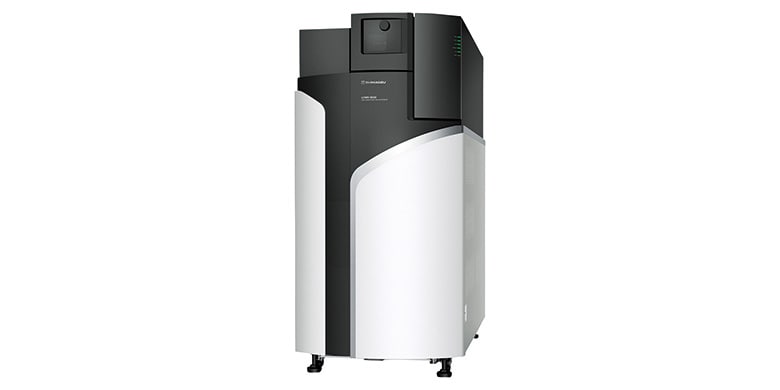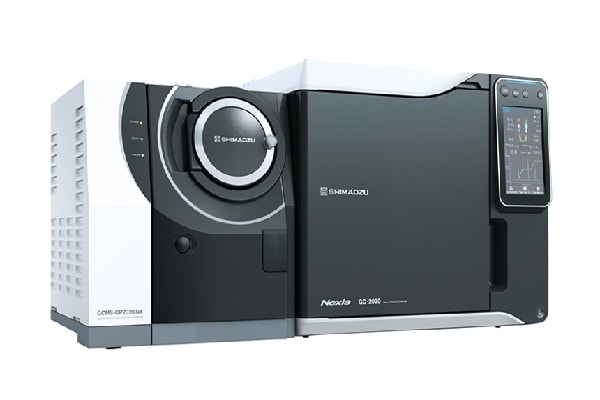
GCMS-TQ RX Series


In 2018, N-nitrosodimethylamine (NDMA) and Nnitrosodiethylamine (NDEA), classified as probable human carcinogens, were detected in valsartan manufactured in China, and several drug products containing this Active Pharmaceutical Ingredients (API) have been recalled worldwide. Subsequently, detection of NDMA and NDEA in other APIs was observed one after another, and consequently API manufactures were forced to review the manufacturing process and implement stricter quality control measures. The ICH* M7 guideline “Assessment and Control of DNAReactive (Mutagenic) Impurities in Pharmaceuticals to Limit Potential Carcinogenic Risk” provides a framework for the control of impurities with carcinogenic properties, and this concept can be applied for NDMA and NDEA as well. The ICH guidelines on impurities in pharmaceuticals are described in the Q3 category as one of the “Quality Guidelines (Quality)”. ICH Q3C and Q3D are a guidelines on residual solvents and on elemental impurities, respectively, and specific limits for each solvent and element have been established. However, there is a risk of mutation even at low concentrations in the management of substances with DNA reactivity such as carcinogens. Therefore, management at a level different from that in ICH Q3 is necessary for these substances and is independently categorized as “Guidelines on multiple areas of quality, safety, and efficacy (Multidisciplinary).” As it is necessary to analyze and control trace impurities, gas chromatography-mass spectroscopy (GC/MS) and liquid chromatography-mass spectroscopy (LC/MS) methods, which employ MS as a detector for gas and liquid chromatographs, are generally used as sensitive and selective analytical methods. This application note provides an overview of the regulations concerning substances with carcinogenic potential as impurities in pharmaceuticals, with examples of analyses.
July 30, 2020 GMT
Some products may be updated to newer models