Food and Beverages


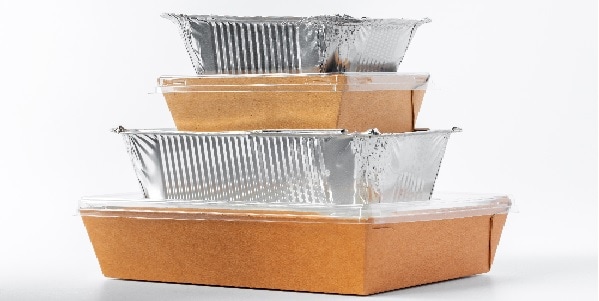
As food moves through the process starting from the raw material stage to the point of ingestion, it comes into contact with a wide variety of items, including implements, containers and packaging materials. These points of physical contact can include equipment used for manufacture and processing, containers and packaging materials used for storage and transport, and cooking and eating utensils used in restaurants and in the home. Because these implements, containers and packaging materials are made of various types of materials, such as rubber, glass, and metals, there is always the possibility that their constituent substances, as well as impurities, can be taken into the body via the ingested food. Therefore, it is necessary to secure the safety of implements, containers, and packaging materials as provided for in the Japan's Food Sanitation Act, "Standards and Criteria for Food and Food Additives, etc., Chapter 3: Apparatus and Containers and Packaging." One example of a rubber implement is the rubber nursing nipple, which is inserted directly in an infant's mouth. Since it is possible that toxic phenol can leach out of the rubber nipple when it is inserted into an infant's mouth, a leach quantity standard has been established in the Food Sanitation Act, and testing is specified to be conducted using an UV-VIS spectrophotometer. Here we introduce the phenol leach test for quantitation of phenol leached from a rubber nipple according to the Food Sanitation Act.
March 22, 2011 GMT