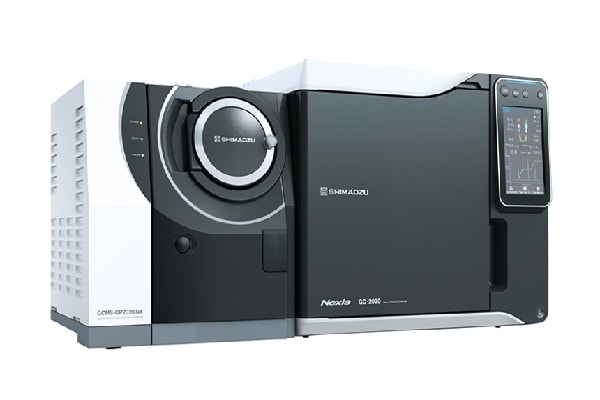
GCMS-QP2020 NX


- High sensitivity analysis of samples containing moisture is possible by concentration using the trap model of HS-20 headspace sampler. - Objective evaluation of components with differences between samples is possible by multivariate analysis. - All process from deconvolution to multivariate analysis are completed with one software program when using AnalyzerPro.
It is known that taste, texture, and flavor are important elements of the “deliciousness” of food. In the recent food and beverage markets, differentiation from other products has been promoted through product development with the aims of higher quality and higher functionality. Breeding and selection of food materials is one method for achieving differentiation. For example, it is known that the genetic differences between farm products influence differences in their aromatic components. Vegetable and fruit drinks are also marketed as foods with health claims which do not contain flavor additives, heightening the need for evaluation of differences in the materials (products) themselves. In Application News No. M310, a multivariate analysis in the metabolites in three types of tomato juice was carried out, and the differences in the components contributing to taste and functional components between the products were introduced. In this article, an analysis of aromatic components by the headspace (HS) method was conducted using the same three commercially-available tomato juices as in No. M310, and deconvolution and multivariate analysis were conducted using the AnalyzerPro software (SpectralWorks Ltd.), as introduced here.
June 25, 2023 GMT