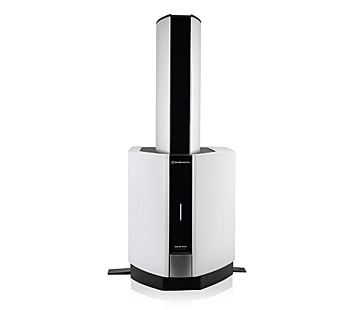
MALDI-8030


- Simple easy analysis of pigments in lipsticks on an affordable benchtop MALDI-TOF - Quality spectra with good resolution and accuracy in negative ion mode is useful in the field of cosmetics safety - Workflow useful for identifying cosmetic product compatibility for organic, vegan and halal practitioners
Cosmetics is a huge industry that is still growing, with an estimated value of around USD 863 billion in 2024. The three major sectors include skin care, hair care and make-up. Colour is a fundamental property for the success of a cosmetic product, as it determines the attractiveness for consumers and boosts confidence in the body image. Pigments are typically used as colourants in decorative make-up. They can be present in the free form, which is partially hydro- soluble and miscible; or as ‘lakes’, which are water-insoluble, more stable derivatives, imparting long-lasting properties to the make-up product. The lakes of the pigments are produced through incorporation of a salt (e.g., aluminium, barium, calcium, zirconium) to the pigment core. In Europe, the use and safety of pigments in cosmetics are regulated by the European Regulation of Cosmetic Products (EC 1223/2009). Pigments which are permitted for use in cosmetics must be reported in product labelling with their unique Colour Index (CI) number alongside their common names. Besides safety, the choice of product by customers is also influenced by the origin of ingredients based on the lifestyle or dietary practices, so this is analytically important to ascertain. For example, the vegan/halal market forbids the use of animal- derived pigments. Among these is Carmine, a strong red- coloured pigment which is extracted from the body of Cochineal insects. Besides cultural barriers to the use of this pigment, Carmine is also an allergen. In contrast with the vegan/halal market, there is also the organic market, which doesn’t restrict the use of natural (and animal)-based pigments, such as Carmine, but requires the organic source of pigments is certified. Here, we demonstrate the capability of the dual polarity MALDI- 8030 benchtop linear MALDI-TOF mass spectrometer to detect the presence of pigments in lipsticks. Examples of vegan/non- vegan as well as organic lip products have been selected to represent the various markets. We propose a simple and fast method consisting of the extraction of the pigments from the lipstick medium and analysis in negative ion mode.
April 5, 2022 GMT