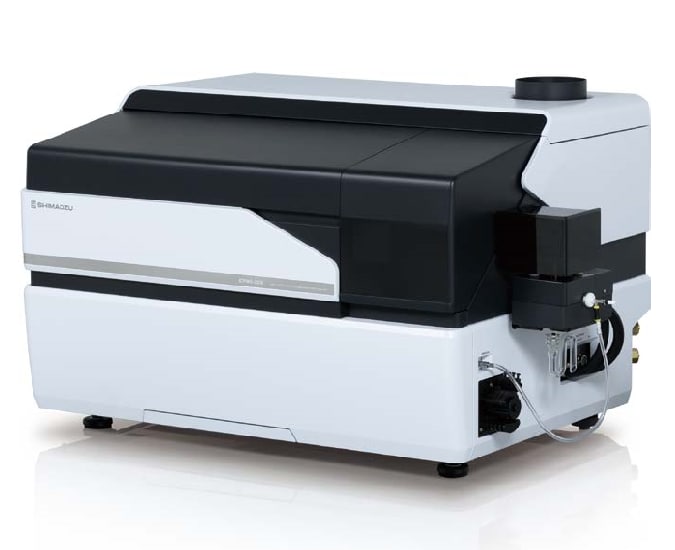
ICPMS-2030


- A sensitive and reliable method to determine elemental impurities in MCT, using ICPMS-2030 with collision cell technology. - Validation requirements for the USP<233> elemental impurity test method could be achieved.
Since 2020, regulations on elemental impurities in medicines have been in full swing in ICH member countries. As a result, in USP and EP, heavy metal test methods using atomic absorption spectroscopy (AAS) are being deleted or replaced by ICP-AES and ICP-MS methods. In heavy metal analyses, graphite-AAS atomic absorption spectroscopy (GF-AAS) has been mainly used for trace analysis. But they are being replaced by analytical methods using ICP-MS for securing higher accuracy and precision. As an example, analysis of five heavy metals (Pb, Cr, Cu, Ni, Sn) in medium-chain triglycerides (MCT), which are used as carrier oil for several oral drugs and vitamins due to their fast absorption properties into the human body, have been carried out by using GF-AAS after pretreatment by organic solvents. But it is recently revised to use ICP-MS as an analytical tool. In USP, analysis of five heavy metals, within the same allowable value as before, is revised to use ICP-MS after decomposing the MCT sample with wet digestion by sulfuric acid. Meanwhile, EP deleted the list of elements for heavy metal analysis and revised it to apply the analysis method of usual elemental impurity, if applicable. Therefore, this newsletter is attempted to analyze harmful heavy metals in MCTs by using ICP-MS and confirm the validity of results based on the revised USP Individual Test method and USP<233> Metal Impurities Test method.
March 29, 2022 GMT