Nexera lite inert


- Dissolution testing of synthetic resin containers containing polylactic acid (PLA) as the main component is possible. - Stable analysis is possible using a reversed-phase column available for 100 % aqueous mobile phase.
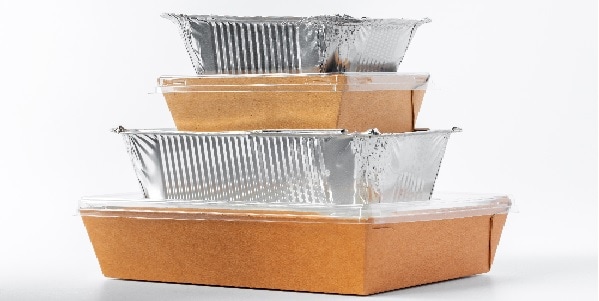
In general, biodegradable plastics are defined as plastics that have the same durability as normal plastics but that are completely decomposed into carbon dioxide and water by the action of naturally occurring microorganisms after use. Among them is PLA, a sustainable material made from plant-derived starch and sugar. Under the Japanese Food Sanitation Act, test methods and content standards are set in the "Specifications and Standards for Food and Food Additives, etc., Section 3, Apparatus, Containers and Packaging" for apparatus, containers and packaging that come into direct contact with foods and food additives from raw materials to ingestion. In synthetic resins containing PLA as the main component, total lactic acid eluted using a leachate solution corresponding to the food used is analyzed by liquid chromatography. The standard specifies a total lactic acid content of 30 ug/mL or less. This article describes the measurement of total lactic acid in a cup containing PLA as its main component.
April 5, 2022 GMT
Some products may be updated to newer models