i-Series


- Enabled simultaneous analysis of eight carbonyl compounds in E-Cigarette Liquid. - This method can be applied for monitoring the risks of e-cigarettes.
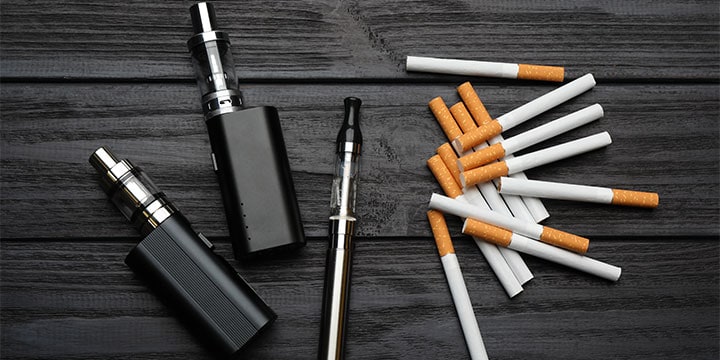
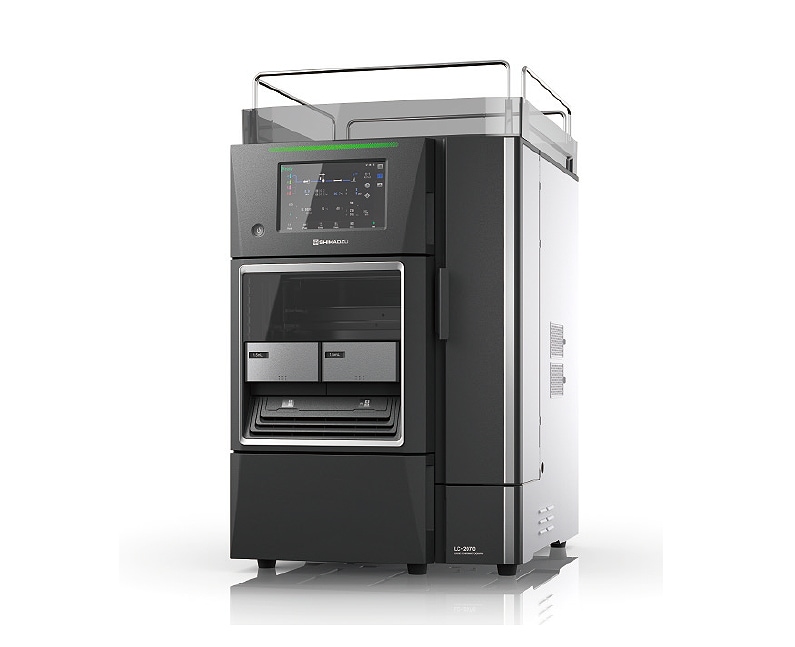
An e-cigarette is an electronic product that simulates a cigarette. It has the same look, smoke, taste, and feel as a cigarette. It uses a rechargeable lithium polymer battery to power an atomizer that heats e-liquid in the chamber/tank to turn nicotine and other substances into a vapor for the user to inhale. Over the last few years, e-cigarettes have become a new option for many smokers as a substitute for cigarettes, and they are highly sought after as a “healthy” smoking cessation tool. However, e- cigarettes release carbonyl compounds such as formaldehyde, acetaldehyde, and other harmful substances during the heating process, and they can also change the composition of certain chemicals, resulting in new potential hazards. The E-Liquid Safety and Technical Specifications (Draft for Comment) are organizational standards of the China Electronics Chamber of Commerce. Appendix C (E-liquids: Testing for carbonyl compounds) of those specifications stipulates that limit value of formaldehyde, acetone, acrolein, propionaldehyde, crotonaldehyde, 2-butanone, and butyraldehyde in e-cigarette liquid must be ≤20 mg/kg while acetaldehyde must be ≤180 mg/kg. In this experiment, a method was developed based on Appendix C (E-liquids: Testing for carbonyl compounds) to analyze eight carbonyl compounds in e-cigarette liquids by using high-performance liquid chromatography.
April 5, 2022 GMT