EZ Test


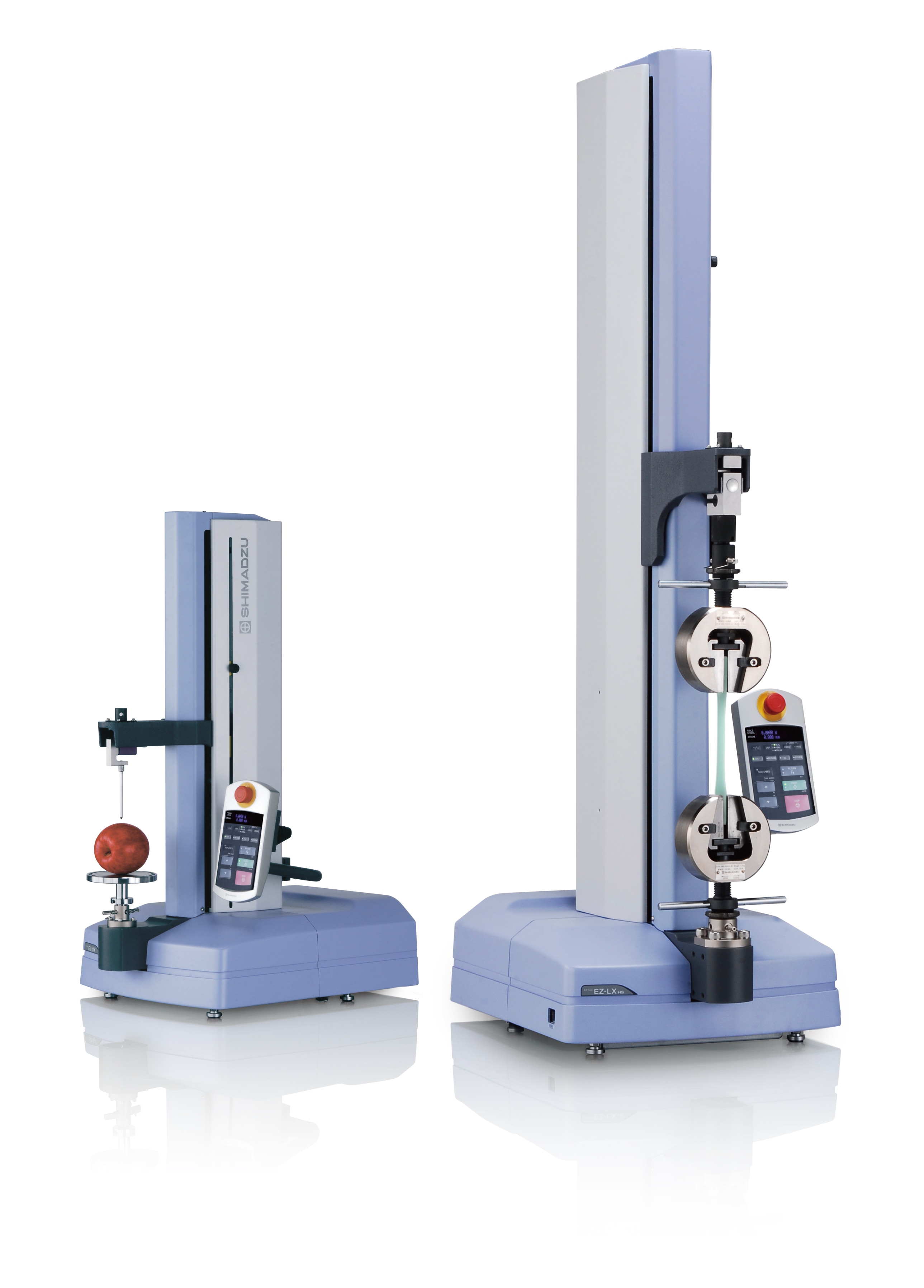
- Texture testing is possible by using EZTest. - Jigs can be exchanged easily by the jig platform. - Prediction of approximate sensory evaluation values from the measurement values in texture testing is possible.
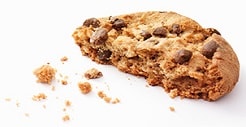
The factors experienced as the deliciousness of food consist of factors related to the food itself (e.g., taste, aroma, food texture) and human factors (physiological and psychological factors, eating habits, external factors), but because texture may account for a large part of the perception of deliciousness depending on the food, texture has become an important item in evaluations of food products. Methods for evaluating texture can be divided into sensory evaluation, in which human subjects evaluate the “mouthfeel” of the food when eaten, and evaluation of mechanical properties, in which instruments are used to evaluate the hardness and other properties of the food. Mouthfeel is normally evaluated by sensory tests, but the difficulty of reproducing evaluation results due to individual differences in the human senses, the physical condition of the subjects, and similar factors is a problem in sensory testing. For this reason, measurements are being conducted using instruments in order to obtain objective results. As example of the representative mechanical properties of texture shows the Szczesniak texture profile. Although the basic mouthfeel of foods can be evaluated by the texture profile, measurement of more complex mouthfeel characteristics is difficult. Therefore, in this experiment, a multivariate analysis was carried out referring to the literature, and the sensory evaluation values of the hardness, crispness, and moistness of various sample cookies were predicted. The optimum evaluation method was also examined by conducting tests with three types of measurement methods (compression test, piercing test, and 3-point bending test).
September 29, 2022 GMT