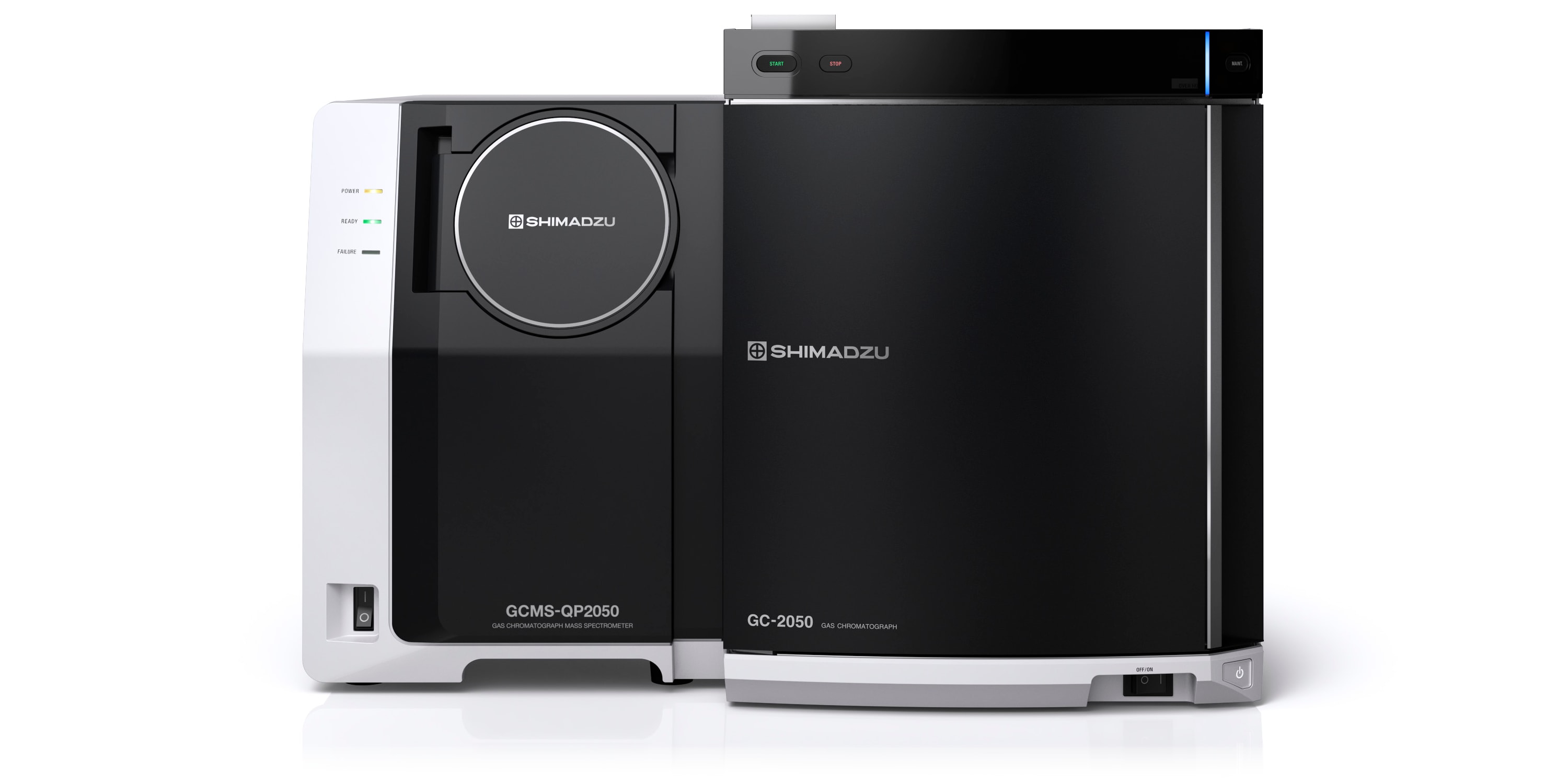
GCMS-QP2050


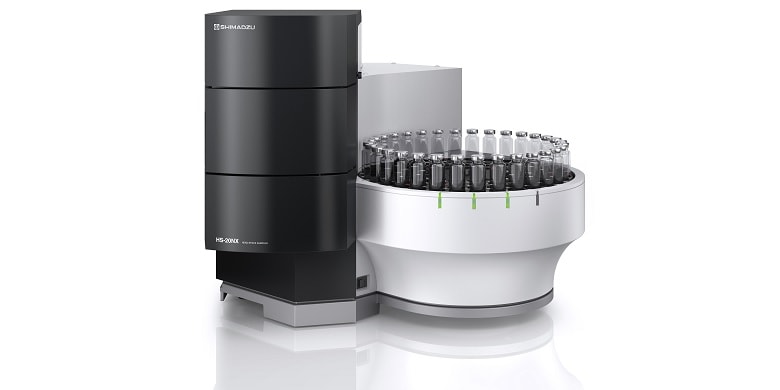
- HS-20 NX headspace autosampler with short and inert transfer line allows for the measurement of acetaldehyde, benzene, and limonene in rPET without the need for complex solvent extraction. - With an industry-leading max scan speed of 30,000 u/sec and Fast Automated Scan/SIM Type (FASST) functionality in GCMS-QP2050, it enables both qualitative and quantitative analysis of target contaminants in rPET.
Polyethylene terephthalate (PET) is widely used in various applications, particularly in the production of beverage bottles, due to its advantageous properties such as high strength, transparency, and recyclability. With growing environmental concerns related to plastic waste, recycled PET (rPET) has received increasing attention, especially in the context of food-contact materials (FCMs). Ensuring the chemical safety and overall quality of rPET has gained a significant attention for both manufacturers and regulatory authorities. One of the critical aspects of rPET safety evaluation is the presence of volatile organic compounds (VOCs) that may migrate or leach into food or beverages, thereby affecting both consumer safety and product sensory attributes. Among the VOCs of concern, acetaldehyde, benzene, and limonene are commonly monitored by manufacturers. Acetaldehyde is a byproduct of the thermal degradation of PET that can occur during the production process. Benzene, a carcinogenic compound, is sometimes found in rPET due to contact with polyvinyl chloride (PVC) during the recycling process of PET bottles. Limonene, a flavor compound, may also be present in rPET, resulting from post-consumer contamination, such as using soft drink PET bottles as feedstock. While limonene is not toxic, its presence in rPET could affect the flavor profile of the food or drink packaged in the bottles. These compounds are of particular concern as non-intentionally added substances (NIAS) in recycled materials. The current application news utilizes headspace technique with single quadrupole GCMS to accurately identify and quantify the concentrations of acetaldehyde, benzene, and D-limonene in rPET samples.
June 5, 2025 GMT