
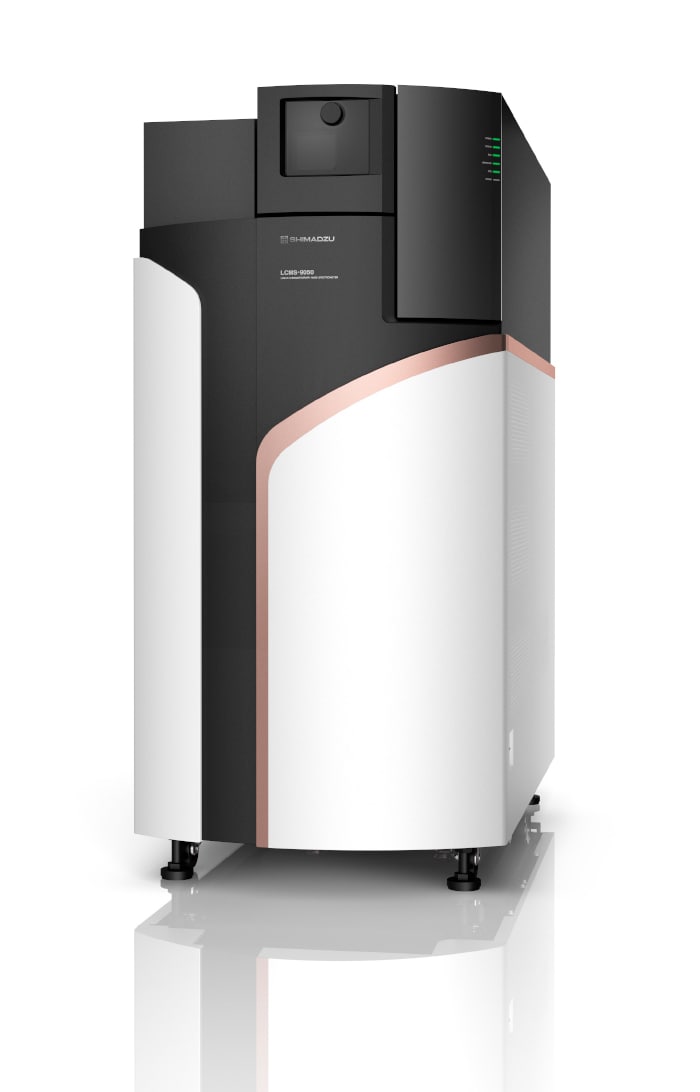
LCMS-9050


- High mass accuracy of LCMS-9050: This feature effectively avoids interference from other ions. Simple switching to the Nexera ultra-high performance liquid chromatograph is possible. - Ion accumulation technology: This technology enhances the sensitivity of target compounds by approximately 30 times, with sensitivity exceeding regulatory limits by more than 100 times.
Varenicline Tartrate is a highly selective receptor stimulant of the α4β2 nicotinic acetylcholine. It is primarily used for the treatment of tobacco dependence in adults. It represents a new class of smoking cessation medicine. The secondary amine structure in the varenicline can react with trace amounts of nitrites introduced during the synthesis process or production environment, leading to the formation of nitrosamine drug substance-related impurities (NDSRI). In July 2021, the U.S. Food and Drug Administration (FDA) issued a recall for certain batches of varenicline tartrate due to the detection of N-nitroso varenicline, a genotoxic impurity, exceeding the maximum daily allowable intake. Following this, the FDA released an LC-ESI-HRMS method for detecting N-nitroso varenicline in both the active pharmaceutical ingredient (API) and finished drug products. According to the Environmental Protection Agency (EPA), the limit for N-nitroso varenicline in varenicline tartrate at the maximum recommended dose of 2 mg is 18.5 ppm. This study established a method for determining the content of N-nitroso varenicline in varenicline tartrate using a Shimadzu ultra-high-performance liquid chromatography-quadrupole time-of-flight mass spectrometry (UHPLC-QTOFMS) system. This method can serve as a reference for relevant professionals in the field.
June 25, 2025 GMT