
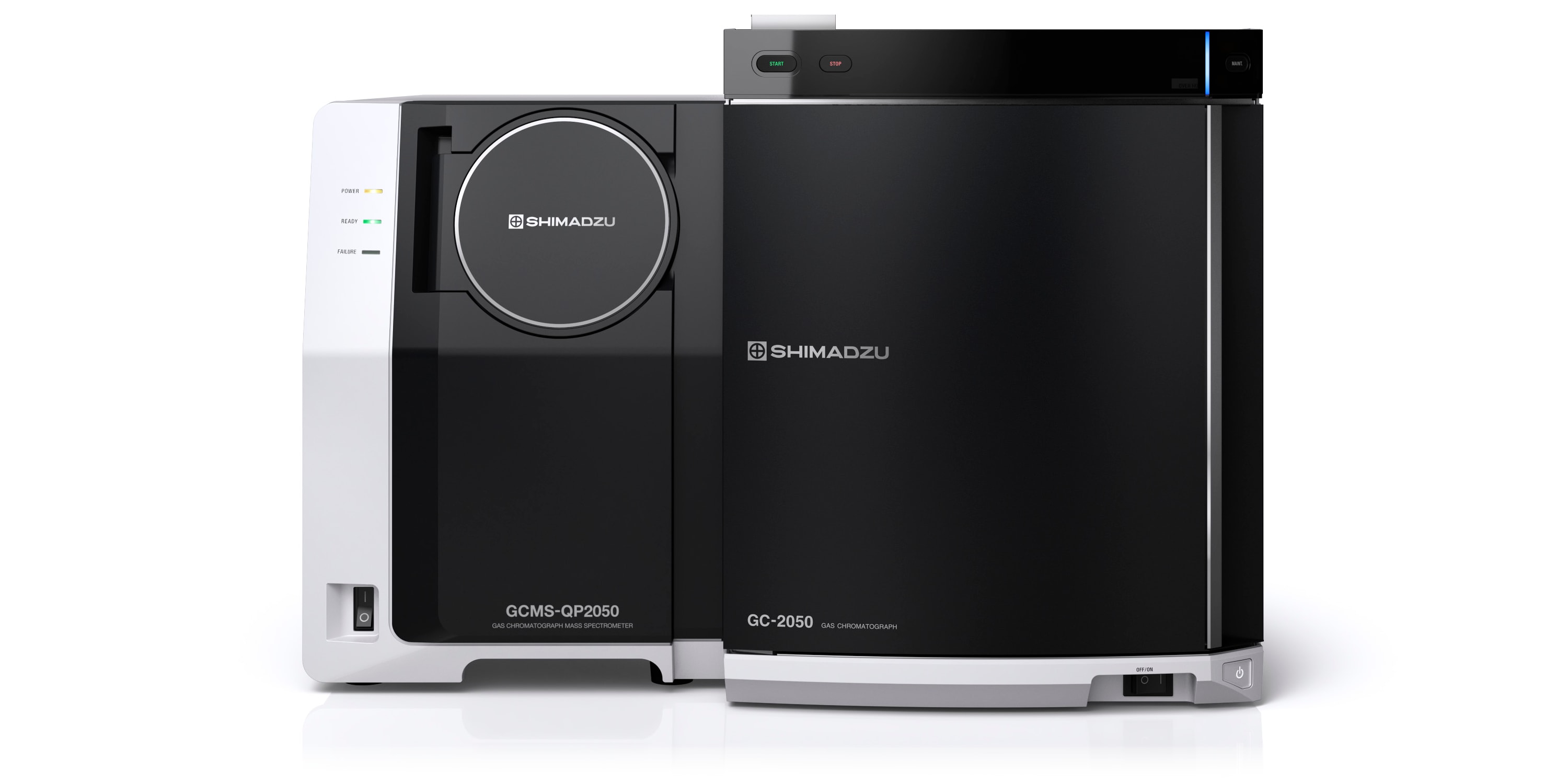
GCMS-QP2050


- The direct dissolution protocol without pre-treatment, significantly enhancing analytical efficiency. - The specificity of the method is ensured by monitoring the characteristic ions of nitrobenzene compounds in selected ion monitoring (SIM) mode, which provides robust resistance to interferences.
Nifedipine, a dihydropyridine calcium channel blocker with vasodilatory properties, is primarily indicated for the clinical management of hypertension and angina pectoris. Its synthetic route commences with 2-nitrotoluene as the starting material. Notably, the intermediate 2-nitrobenzyl alcohol, the byproduct 2-nitrobenzyl bromide, the reaction product 2-nitrobenzaldehyde, and potential impurities (3-nitrobenzaldehyde and 4-nitrobenzaldehyde) all contain nitrobenzene moieties, rendering them candidates for monitoring as potential genotoxic impurities. Previous studies have demonstrated that 2-nitrobenzaldehyde and 4-nitrobenzaldehyde exhibit mutagenicity in the Ames test, while 2-nitrotoluene has shown carcinogenicity in animal experiments. In accordance with the toxicological concern threshold (TTC) control approach specified in ICH M7, a threshold of 1.5 μg/day is recommended for genotoxic impurities in pharmaceuticals intended for lifelong administration. In this study, a method for the determination of six genotoxic impurities in nifedipine was developed using a Shimadzu GCMS-QP2050 gas chromatography mass spectrometry. This method features simplified sample preparation, high sensitivity, and favorable repeatability, thereby enabling effective monitoring of the six nitrobenzene compounds as genotoxic impurities in nifedipine pharmaceutical.
August 5, 2025 GMT