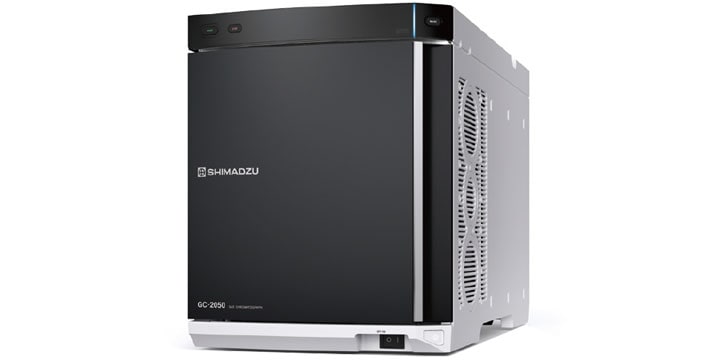
Brevis GC-2050


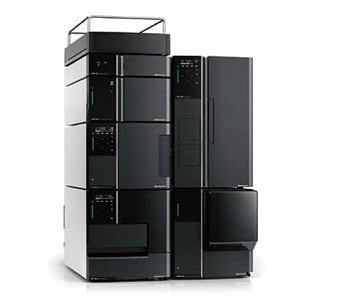
- The compact instrument design gives a smaller installation footprint. - The carrier gas saving mode substantially reduces carrier gas consumption. - Analysis can be performed using hydrogen as a carrier gas, which is easy to source. - The single quadrupole LC-MS system can perform simple screening analysis of fatty acids in vegetable oils.
There are a variety of edible oils that are sold commercially for a range of uses. They are almost entirely composed of compounds called triacylglycerols (neutral lipids), which consist of three fatty acids bound to a glycerol molecule. Because fatty acids affect the functional characteristics of food, determining the fatty acid composition of food is an important area of analysis. In this Application News, the Brevis GC-2050 (GC-FID) is used to determine the fatty acid composition of commercially available edible oils, and the use of hydrogen as a carrier gas is examined and compared with helium. This Application News also analyzes the same edible oils analyzed by LC-MS in a previous Application News and compares the results.
August 19, 2025 GMT