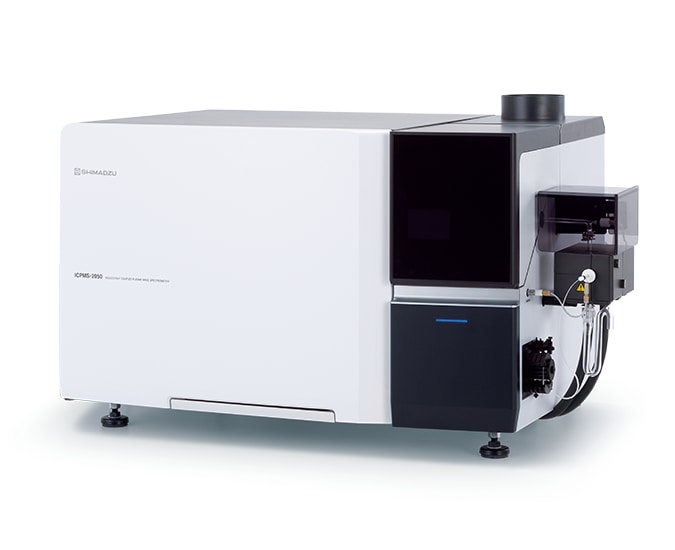
ICPMS-2040 Series / ICPMS-2050 Series


- High-sensitivity analysis can be performed at levels below 1/100 of the soil leaching standards for heavy metals specified by the Japanese Soil Contamination Countermeasures Act. - Interference from the matrix in soil leachates is minimal, enabling stable measurements even when analyzing multiple samples. - The mini-torch system reduces argon gas consumption and significantly reduces running costs.
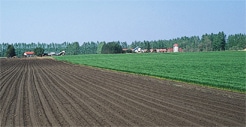
When soil is polluted by human activities such as industrial operations and waste disposal, harmful substances can be absorbed into the human body. This may have an adverse effect on health. In Japan, the Soil Contamination Countermeasures Act stipulates soil survey methods and appropriate management methods to prevent adverse health effects. The health risks due to soil contamination can be divided into two categories : those caused by leaching of harmful substances contained in soil into groundwater and ingestion of groundwater containing such harmful substances (ingestion from groundwater), and those caused by direct ingestion of harmful substances contained in soil through the mouth or skin (direct ingestion). Under the Soil Contamination Countermeasures Act, soil leaching standards are set to address the risk of ingestion from groundwater, and soil content standards are set to address the risk of direct ingestion. These standards are expected to become stricter in the future in line with other environmental regulations. Thus, it is important to select a highly sensitive analytical method in advance. In this application, the results of analyzing the concentrations of heavy metals leached from five types of soil samples using ICP-MS, which is currently recognized as the most sensitive method for elemental analysis in soil, will be introduced.
August 26, 2025 GMT