ICPMS-2040 Series / ICPMS-2050 Series


- It is possible to accurately analyze metal elements in edible oils. - Edible oils can be analyzed using only dilution with organic solvents, which simplifies sample preparation and improves throughput. - The use of solvent-resistant peristaltic pump tubing enables the addition of internal standard elements in-line, even during the analysis of organic solvents, thereby eliminating the need for manual addition.
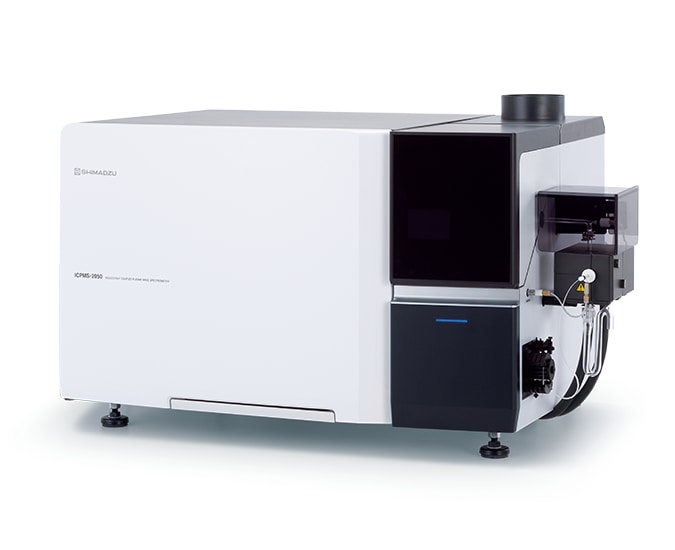
Edible oils are essential in our diet. Analyzing metal elements in edible oils is crucial for ensuring food safety and preserving oil quality. The Codex General Standard for Contaminants and Toxins in Food and Feed (hereinafter referred to as CODEX) requires the management of heavy metals (such as arsenic and lead) present in edible oils. Additionally, metal ions such as copper, iron, and manganese in edible oils can act as oxidation catalysts, affecting the deterioration of the oil. For the analysis of metal elements in edible oils, methods involving the acid digestion of the oil followed by analysis using ICP Optical Emission Spectrometry (ICP-OES) or ICP Mass Spectrometry (ICP-MS) are known. While digestion with acid can remove the organic matrix, it also carries the risk of volatilizing or contaminating the analytes during the complex sample preparation process, which can lead to errors in the analysis results. Furthermore, the complex sample preparations are time-consuming and limit throughput. Another method involves diluting edible oils with organic solvents and analyzing them by ICP-OES. However, with this method, it can be challenging to achieve sufficient sensitivity for the analysis of harmful trace elements such as As and Pb. In this Application News, the ICPMS-2050 was used to analyze 25 metal elements by simply diluting edible oils with an organic solvent. Spike recovery tests are also performed to verify the validity of the analytical results.
August 26, 2025 GMT
Some products may be updated to newer models