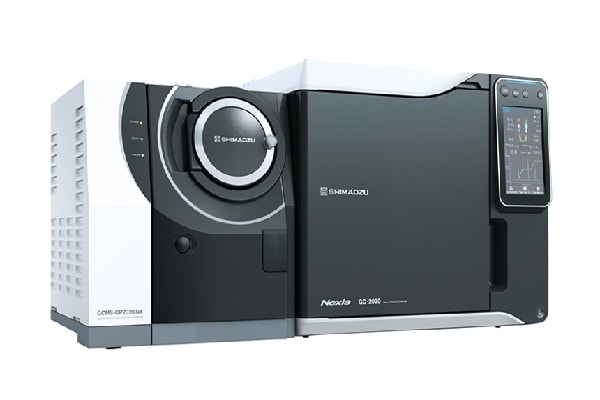
GCMS-QP2020 NX


- The gas released from the polymer can be easily measured without dissolving the polymer in a solvent, by using a headspace sampler (HS). - Using an HS-GC/MS system enables qualitative and quantitative analysis of target components in samples with a large number of contaminants that make it difficult to differentiate the targets from other components. - Analysis costs can be reduced by using hydrogen as a carrier gas, which is more affordable and readily available than helium.
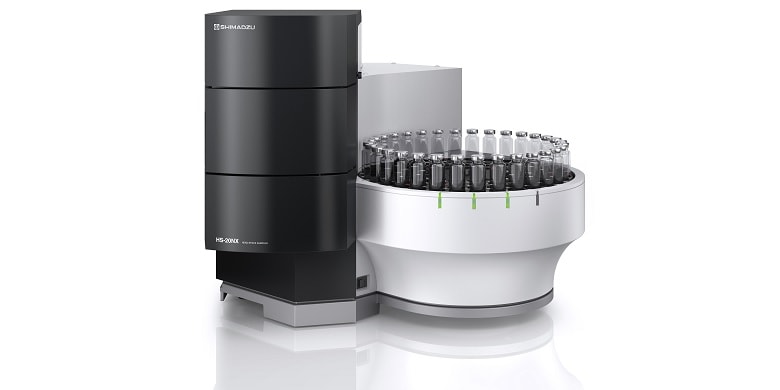
Plastic is lightweight, strong, waterproof, and very convenient, making it an essential part of our modern lives. On the other hand, because it is a major contributor to environmental issues, such as ocean pollution and global warming, measures to reduce plastic usage are being undertaken in countries around the world. In Japan, the Plastic Resource Circulation Promotion Act came into effect in April 2022. The act does not regulate plastic but rather promotes the establishment of a sustainable circular economy by encouraging collaboration among businesses, local governments, and consumers throughout the overall process of designing, manufacturing, selling, collecting, and recycling plastic products. One of these initiatives is the recycling of PET bottles for beverage use. When recycling beverage bottles, residual odors can be an issue, with substances like acetaldehyde from water bottles and limonene from citrus beverages known to persist in the containers. To address these residual substances, recycling companies are implementing unique strategies, one of which involves using gas chromatography-mass spectrometry (GC-MS) to quantify the residual materials. In this article, we present an example of qualitative and quantitative analysis of aldehydes and limonene in PET bottles using the GCMS-QP2020 NX/HS-20 NX, with hydrogen (H2) as the carrier gas.
January 13, 2026 GMT
Some products may be updated to newer models