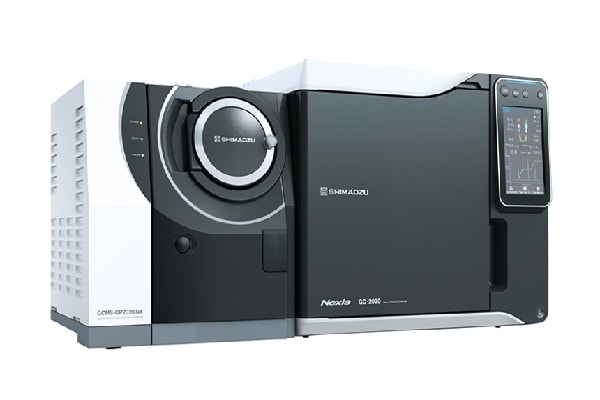
GCMS-QP2020 NX


- GCMS-QP2020 NX supports effective analysis of PAHs in Tattoo inks. - It provides an MFDS-based GC-MS method for PAHs in tattoo inks, enabling compliance with Korean regulations.
Tattoo inks have been utilized for diverse purposes throughout history, serving as cultural identifiers and means of personal expression. In contemporary society, tattooing extends beyond aesthetics and self-expression to include medical applications such as camouflage of scars and post-operative rehabilitation. Because these inks are injected directly into the dermal layer, rigorous safety and hygienic control are essential to ensure human health protection. Among the regulated constituents in tattoo inks, polycyclic aromatic hydrocarbons (PAHs) are of particular concern. PAHs comprise over a hundred structurally related compounds, commonly generated through incomplete combustion processes, vehicle exhaust, and tobacco smoke. Several PAHs have been classified as carcinogenic, and chronic exposure may lead to bioaccumulation and subsequent adverse health effects. In January 2022, the European Union implemented stringent restrictions through updated REACH regulations, limiting the presence of approximately 4,000 hazardous substances in tattoo and permanent make-up inks, including PAHs. These regulations prohibit the use of carcinogenic, mutagenic, and sensitizing substances previously detected in such products. Since the enforcement date, only compliant inks are permitted for distribution and use within the EU. In South Korea, tattoo inks were regulated as consumer chemical products under the Ministry of Environment until June 2025. Due to increasing safety concerns, they have since been reclassified as sanitary products under the authority of the Ministry of Food and Drug Safety (MFDS), resulting in the implementation of more stringent safety requirements. This application news introduces the analytical methodology for quantification of PAHs in tattoo inks based on the MFDS regulatory standards (Notice 2025-36). Samples were prepared in accordance with the prescribed protocol, and PAH concentrations were determined using gas chromatography–mass spectrometry (GC-MS) in selected ion monitoring (SIM) mode.
January 14, 2026 GMT