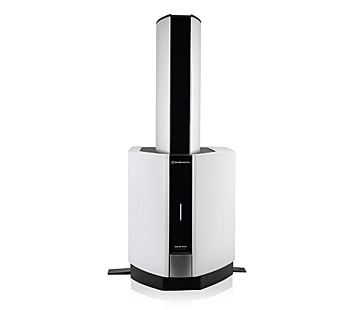
MALDI-8030


- Simple and rapid method to detect the key polyphenol markers in Manuka honey. - Minimal sample preparation and fast analysis on an affordable, easy-to-use benchtop MALDI-TOF system. - The proposed workflow can be used to rapidly screen the authenticity of Manuka honey products.
Manuka honey is produced by bees using nectar from the Manuka tree Leptospermum scoparium. There are reported health benefits and qualities associated with Manuka honey including antimicrobial activity, antioxidant and anti-inflammatory properties. Given the criteria that must be met in order for a honey product to qualify as ‘Manuka honey’, the number of producers and yield of Manuka honey is lower than that of regular non-Manuka honey. As a result, Manuka-certified honey products attract a price-premium making them obvious targets for adulteration and misrepresentation. MALDI-TOF mass spectrometry has several advantages for high-throughput screening applications. Here, we evaluate for the first time the use of MALDI-TOF MS to detect and characterise key Manuka honey markers allowing the differentiation of Manuka/non-Manuka products.
February 17, 2026 GMT