Nexis GC-2030


- Aroma compounds in alcoholic beverages can be quantified easily and cost-effectively. - The HS-20 NX headspace sampler enables simple, high-sensitivity analysis of aroma compounds. - Using hydrogen as the carrier gas reduces costs while maintaining separation performance.
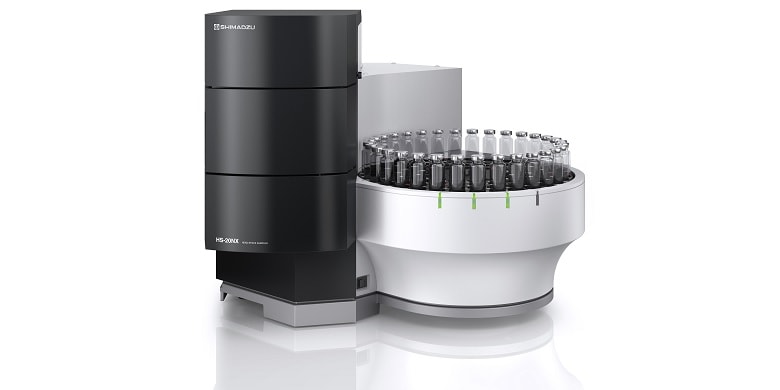
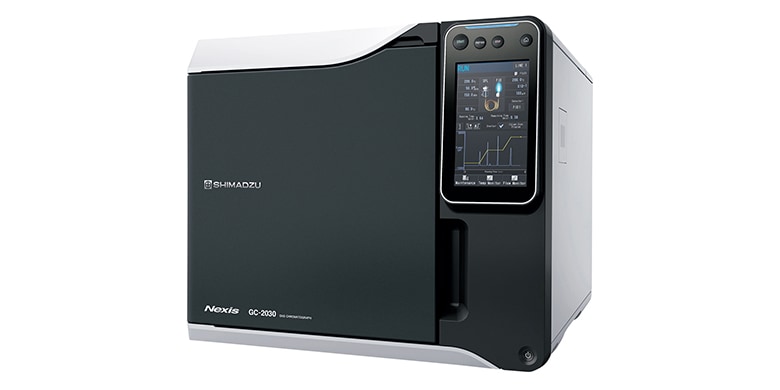
Aroma is a crucial component of sake. Therefore, during the sake production process, it is essential to preserve the sake’s aroma profile. One key step in sake production is pasteurization (“hiire”), in which unpasteurized sake is heated to sterilize it, deactivate enzymes, and halt fermentation. This pasteurization step is known to impair the aroma of sake if it is carried out for too long or at too high a temperature. In this analysis, a Nexis GC-2030 gas chromatograph was combined with an HS-20 NX headspace sampler to quantify individual aroma compounds in sake before and after pasteurization. Headspace gas chromatography (HS-GC) is an effective method for analyzing volatile compounds, including aromas. HS-GC requires no pretreatment (e.g., derivatization), and sample preparation is straightforward: simply place the sample in a vial and perform the analysis. Hydrogen, which is inexpensive and readily available, was used as the carrier gas. Using H2 gas as the carrier reduces analysis costs while maintaining high separation performance over a wide range of linear velocities. However, because hydrogen is flammable, it must be handled with care. The Nexis GC-2030, Brevis GC-2050, and Nexis GC-2060 gas chromatographs can be equipped with an optional hydrogen sensor that measures H2 concentration in the column oven. If the hydrogen sensor detects a leak, the system shifts to standby mode or automatically powers off, helping prevent accidents before they occur.
April 15, 2026 GMT