BioSpec-nano


– Application of MultiNA –
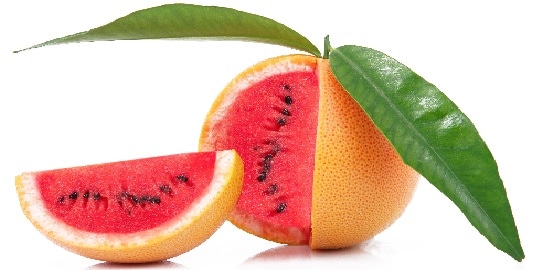
Genetically modified organism (GMO) has burgeoned over the years in order to satiate the global appetite or to add value to natural agriculture products. Technology to increase crop yields has been a constant demand, and the introduction and success of increased agricultural yield by using gene recombinant technology has indeed increased productivity in crop yields. On the other hand, the question arises as to whether these genetically modified food sources safe to eat, and nutritionally beneficial compared to natural products? The necessity to protect consumers while assisting agricultural food producers is a challenge for regulatory agencies globally, requiring that they keep up with quickly evolving technology and increasing genetically modified foods. In this environment, various regulations are conducted in many countries. For example, in Japan, only genetically modified foods that have received approval through safety assessment are permitted to be circulated in the domestic food market. Domestic consumers tend to avoid such genetically modified foods though many GMO food have been approved by the safety assessment, the cultivation and circulation of foods developed using gene recombinant technology are currently rare in Japan. However, genetically modified organisms are actively cultivated globally, and large quantities of genetically modified organisms and their processed foods spread all over the world. Thus, genetically modified may penetrate gradually into the Japanese market in future.
December 4, 2012 GMT