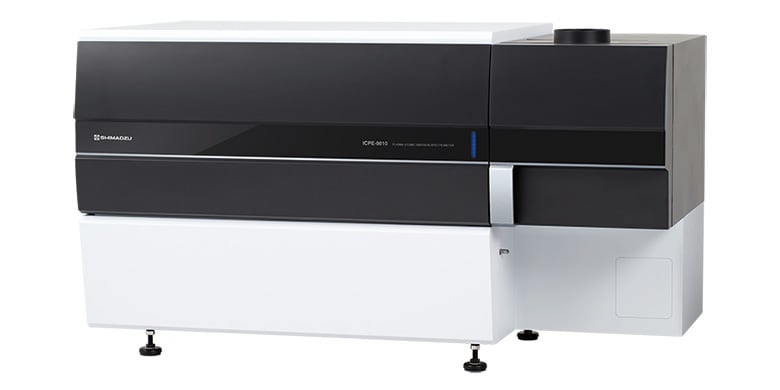
ICPE-9800 Series


In response to various environmental regulations, including RoHS/ELV, measurement of toxic elements (Cd, Pb, etc.) in plastics that are used in a wide range of materials and components is required. Analysis of such toxic elements can be conducted quickly and accurately using an ICP atomic emission spectrometer (ICP-AES). However, conducting analysis by ICP-AES requires that the sample be placed in solution, so the selection of a suitable pretreatment method is important to ensure that accurate results are not jeopardized due to shortcomings of specific digestion pretreatment methods. Here, we conducted analysis of a polyethylene standard material using the Shimadzu ICPE-9800 series multi- type ICP atomic emission spectrometer, while using 3 different methods of digestion, including the dry ashing method, the wet decomposition method, and the microwave sample digestion method. The ICPE-9800 series, an instrument equipped with a newly designed CCD detector, and which features reduced gas combustion, offers high-throughput, accurate and low- cost analysis.
September 18, 2014 GMT