


- Shimadzu Gas Chromatograph 70th Anniversary
- History of Shimadzu GC
- User Interview – DASSAI
- Nexis GC-2060 Developer Interview
History of Shimadzu Gas Chromatography
Shimadzu Corporation has been providing innovative technologies that have driven the advancement of analytical science for more than 150 years. Ever since developing Japan’s first gas chromatograph (GC), we have continued to pursue higher sensitivity, faster analysis, and improved usability, consistently creating truly one‑of‑a‑kind technologies and products.
Shimadzu’s GC systems have contributed to progress across a wide range of fields—including pharmaceutical research, environmental analysis, and petrochemical testing—supporting scientific innovation and helping to address social challenges.
Building on the technologies we have cultivated over 70 years, we will continue to innovate and contribute to the realization of a sustainable society through the power of science.
-
1875
Foundation and Business Expansion
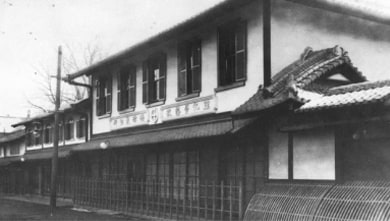
Genzo Shimadzu, Senior established a business manufacturing physics and chemistry instruments. That marks the beginning of Shimadzu’s history. Later, from 1894 to 1916, Genzo Shimadzu, Junior expanded the business by taking on the challenge of entering new fields, such as storage batteries, medical X-ray systems, and eventually analytical instruments.
-
-
1956
Japan’s First Domestic Gas Chromatograph
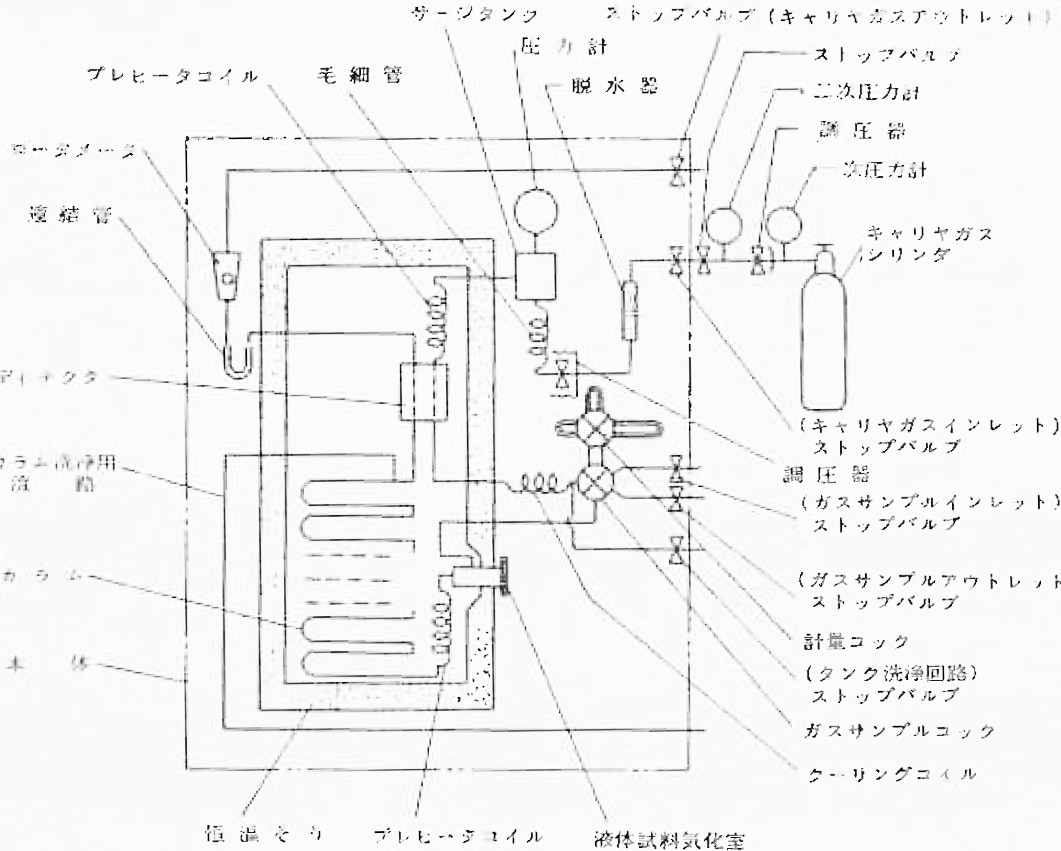
Only four years after gas chromatography was invented in 1952, Shimadzu developed Japan’s first gas chromatograph. This pioneering system became the foundation of Shimadzu’s GC design philosophy and made a significant contribution to the advancement of the petroleum industry.
-
1957
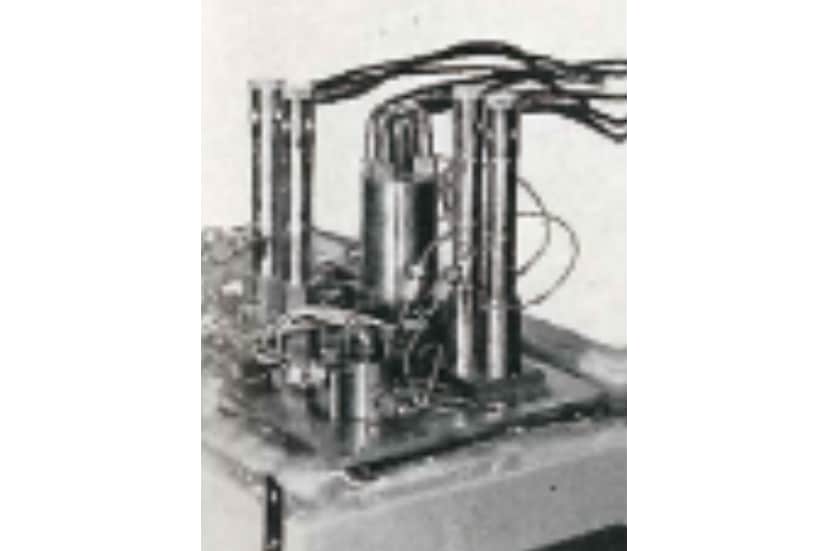
GC‑1A — Start of Mass Production
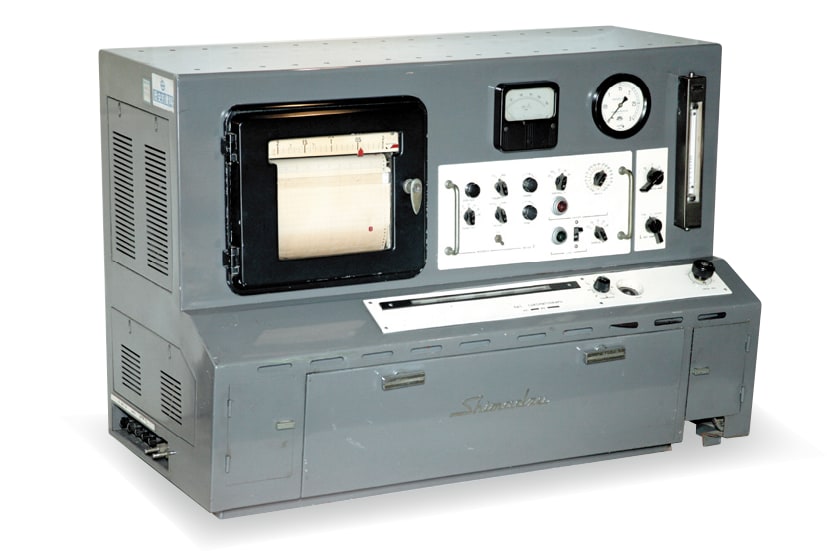
As demand grew for high‑performance analytical technologies in petroleum and gas analysis, gas chromatographs began to see widespread adoption in both research and industrial fields. In 1957, Shimadzu launched mass production of the GC‑1A. Weighing 120 kg, it was significantly larger than the compact models that would follow decades later.
-
1963
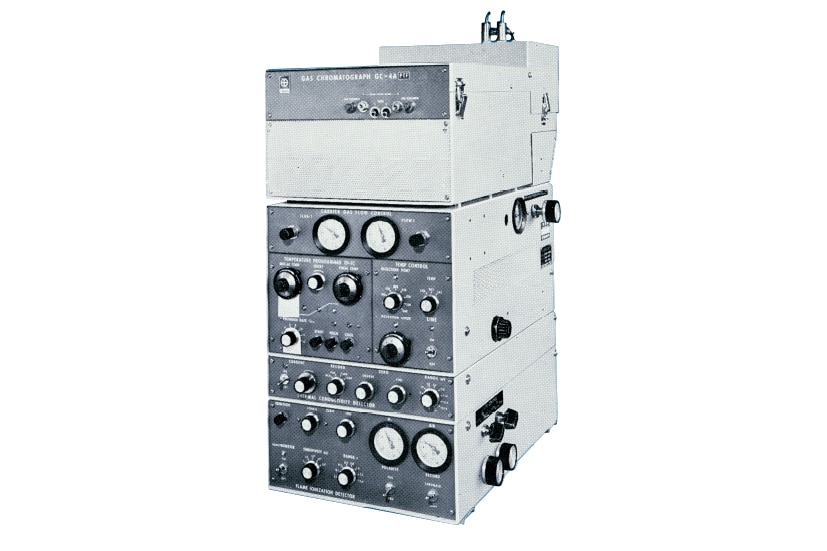
Support for Multiple Detectors
Seven years after the launch of its first GC, Shimadzu anticipated the growing importance of system expandability to meet future analytical needs and introduced a lineup of six different detectors. This advancement enabled the simultaneous installation of multiple detectors.
-
1966
GC‑4A — A Compact, High‑Performance Gas Chromatograph
Designed as a compact, high‑performance temperature‑programmed gas chromatograph, the easy-to-use GC‑4A was widely adopted. By combining temperature‑programmed gas chromatography with a fast‑cooling oven, it enabled the separation of complex samples in shorter analysis times while delivering high resolution.
-
-
1974
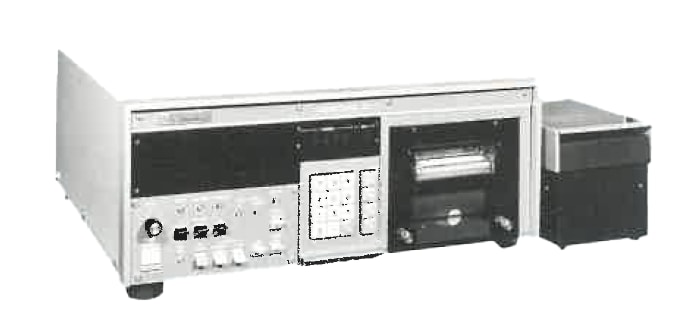
ChromatoPAC C-1A - Launch of the World’s First Microprocessor
A microprocessor was introduced for the first time in an analytical data processing system, enabling more accurate data measurement.
-
1981
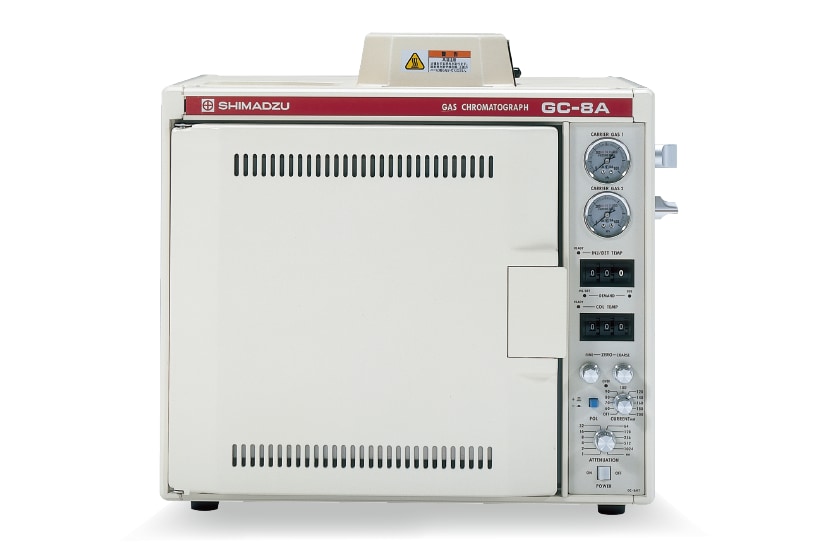
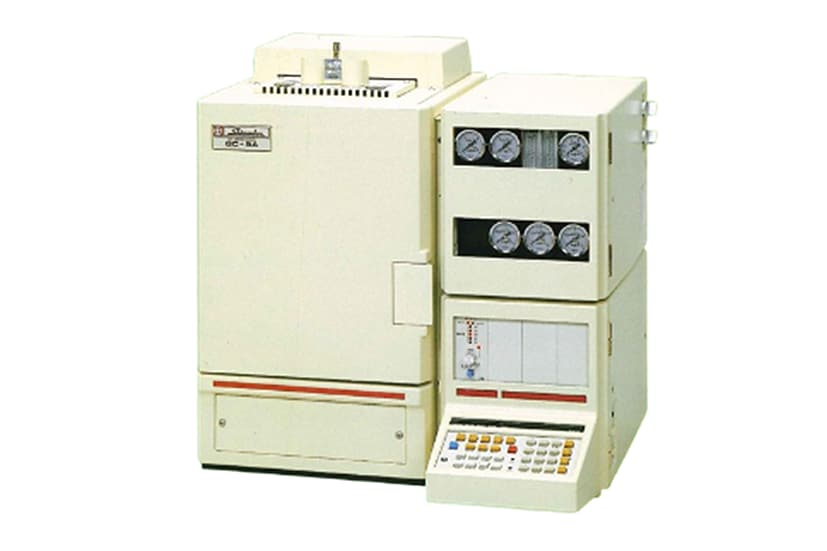
GC‑8A — Compact, Flexible, and Automated
The GC‑8A, despite its compact size, delivered an advanced automated analysis system and made a significant contribution to the evolution of gas chromatographs. As one of the most compact GC models developed by Shimadzu, it enabled high‑performance analysis even in limited installation spaces, earning strong user support for nearly 40 years.
-
1981
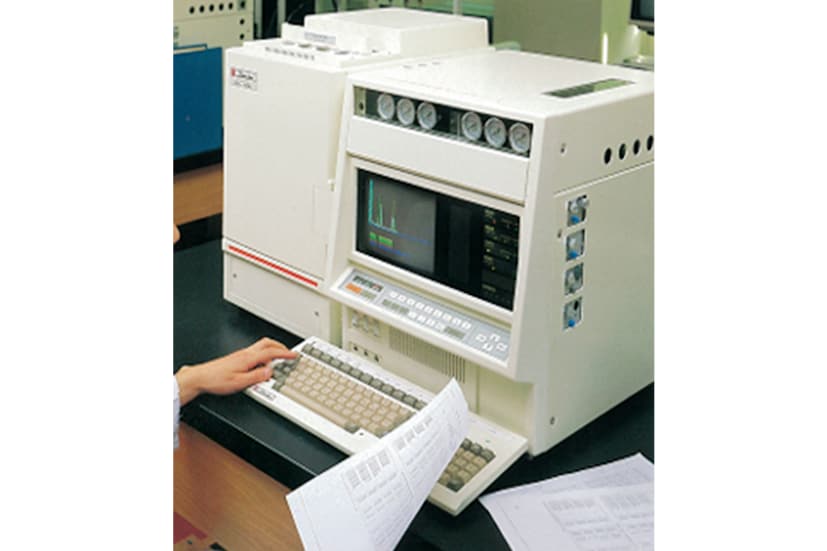
GC‑9A — Opening the Era of GC–MS and Capillary Columns
With the widespread adoption of microcomputers, digital control in analytical laboratories accelerated. The GC‑9A became a pioneering model that truly integrated capillary GC with mass spectrometry (MS). Capillary columns, which operate at low carrier‑gas flow rates, are highly compatible with MS vacuum technology and opened the door to entirely new analytical possibilities.
“How would you like your chromatogram?”
Have you ever been asked “How would you like your eggs?” when ordering breakfast eggs at a hotel restaurant?
Boiled, scrambled, fried, poached… you can choose them just the way you like.
—Exactly. In the same way, the GC‑9A is a computer‑controlled gas chromatograph that can respond swiftly and precisely to your detailed chromatographic requirements.
(Excerpt from the GC‑9A product catalog)
-
1986
Real‑Time Chromatogram Display
Shimadzu equipped its gas chromatographs with a microprocessor and a color CRT display, enabling real‑time visualization of instrument status and chromatograms.
-
1988
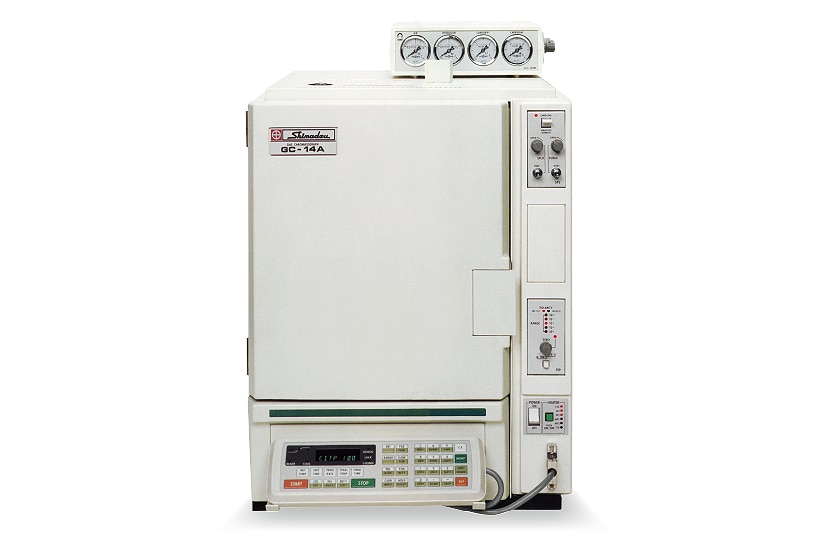
GC‑14 Series — Versatile System for Capillary and Packed Columns
In the 1980s, as global discussions on ozone‑layer depletion intensified and environmental regulations tightened, the importance of high‑sensitivity GC analysis grew significantly. Against this backdrop, the GC‑14 Series was developed. Despite its compact 40‑cm‑wide, space‑saving design, it featured a high‑performance column oven that enabled excellent temperature stability, and delivered reproducible, high‑sensitivity analysis.
Compatible with a wide range of columns—including capillary, wide‑bore, and packed columns—as well as multiple detectors, the system could be tailored to analytical objectives. With easily exchangeable injection units and extensive automation functions, the GC‑14 Series provided highly precise and efficient analysis across applications from research to quality control.
-
1992
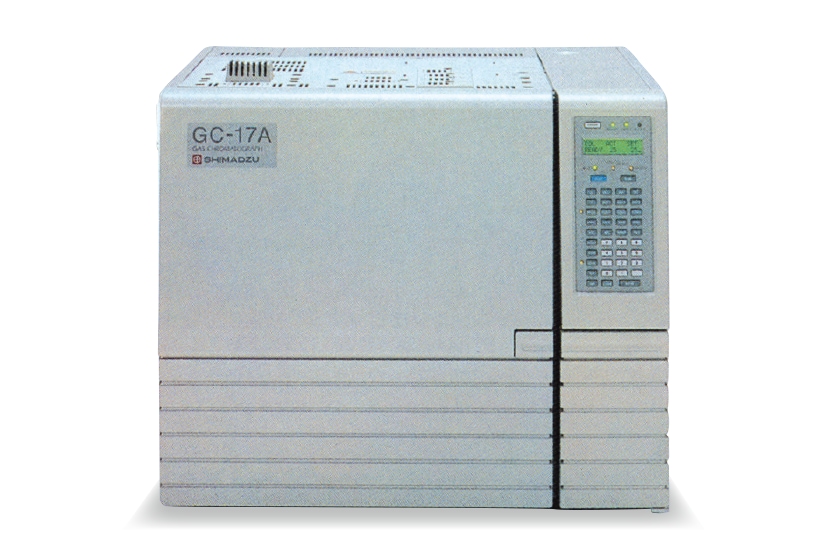
GC‑17A — A Digital Revolution in the GC Industry with Shimadzu’s Original Electronic Flow Controller, AFC
Built on high‑precision sensors and a high‑speed CPU enabled by advancements in semiconductor technology in the early 1990s, the GC‑17A brought a digital revolution to gas chromatography. Shimadzu’s proprietary electronic flow controller, AFC (Advanced Flow Control), made it possible to digitally and in real time control column flow rates and split ratios, while automatically compensating for changes in gas viscosity caused by temperature fluctuations to maintain the ideal linear velocity. This transformed what had previously required skilled manual adjustments into a highly reproducible scientific process.
Furthermore, the GC‑17A achieved high‑resolution, high‑accuracy analysis with a high‑performance oven offering minimal temperature variation, and supported efficient, stable operation through automated features such as timer functions and automatic startup and shutdown.
-
2000
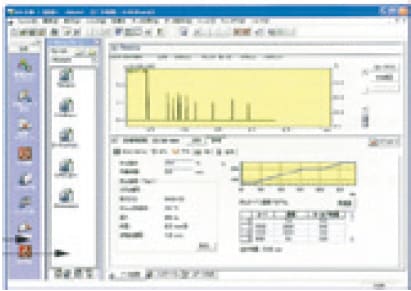
GCsolution — Workstation Compatibility
With the widespread adoption of personal computers, Shimadzu released the “GCsolution” workstation, enabling continuous analysis as well as qualitative and quantitative calculations, dramatically improving analytical productivity.
-
2000
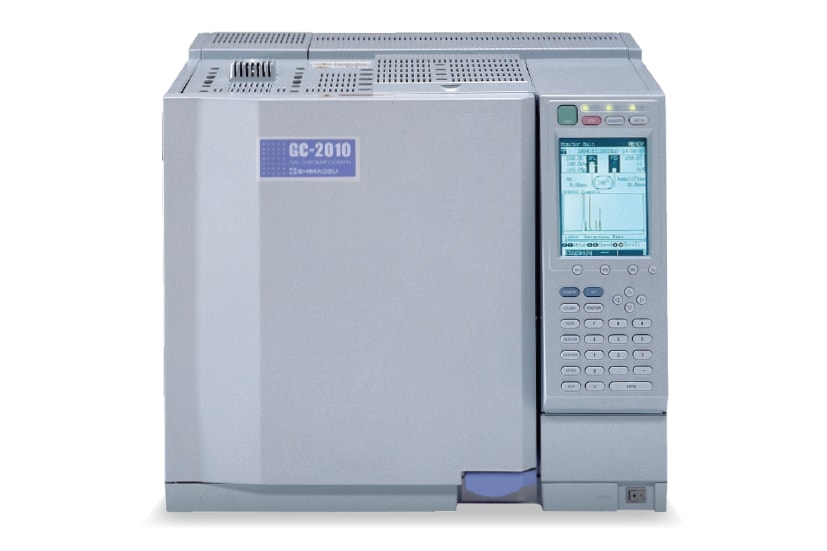
GC‑2010 — Simple Operation Delivering High Efficiency and High Performance
As networking capabilities and improved operability became increasingly important, the GC‑2010 delivered performance that far exceeded that of previous models in both accuracy and sensitivity. Equipped with multiple technological innovations directly linked to operational efficiency—such as enhanced sample‑processing capacity and fast response—the GC‑2010 emerged as a model that combines high performance with exceptional ease of use.
-
2004
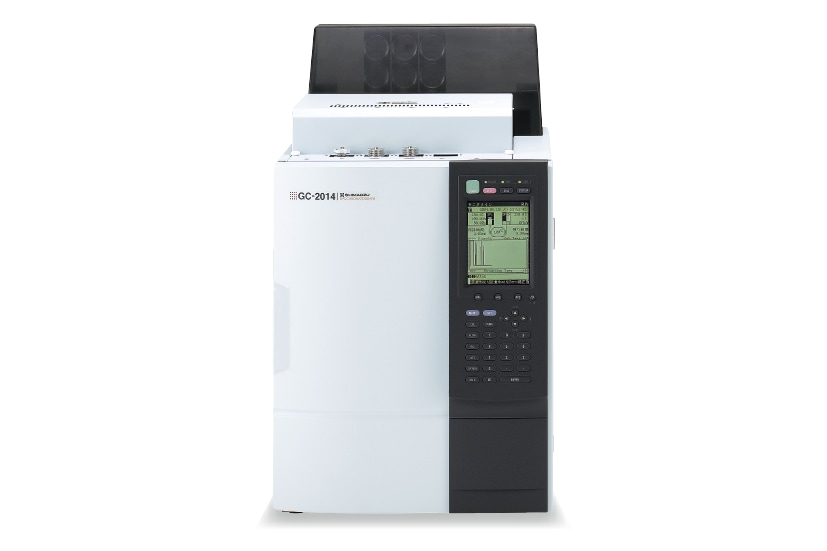
GC‑2014 — More Reliable, More Comfortable Routine Analysis
The GC‑2014 was developed to deliver both the reliability and user‑friendliness required for routine analytical work. Supporting all GC columns, it achieved stable, high‑precision analysis with either packed or capillary columns through newly developed pneumatic control and flexible detector configurations.
-
2009
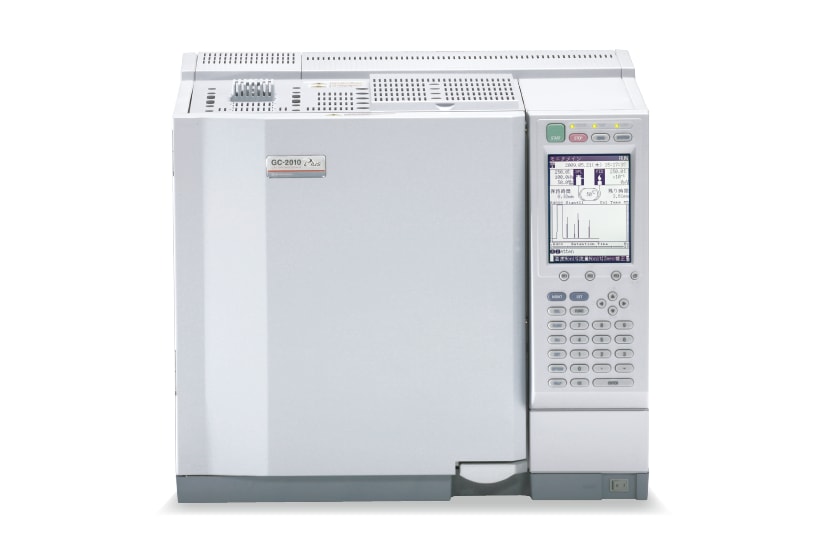
GC‑2010 Plus — Taking Exceptional Performance to the Next Level
In the post‑Lehman era, when energy savings and operational efficiency became increasingly important, the GC‑2010 Plus reduced downtime between analyses through improved oven‑cooling speed. With newly developed self‑diagnostic functions and Advanced Flow Technology, it enabled simple and reliable operation even for complex analyses, further enhancing the efficiency of routine workflows.
In addition, the latest electronic technologies significantly reduced detector noise, achieving even higher sensitivity.
-
2010
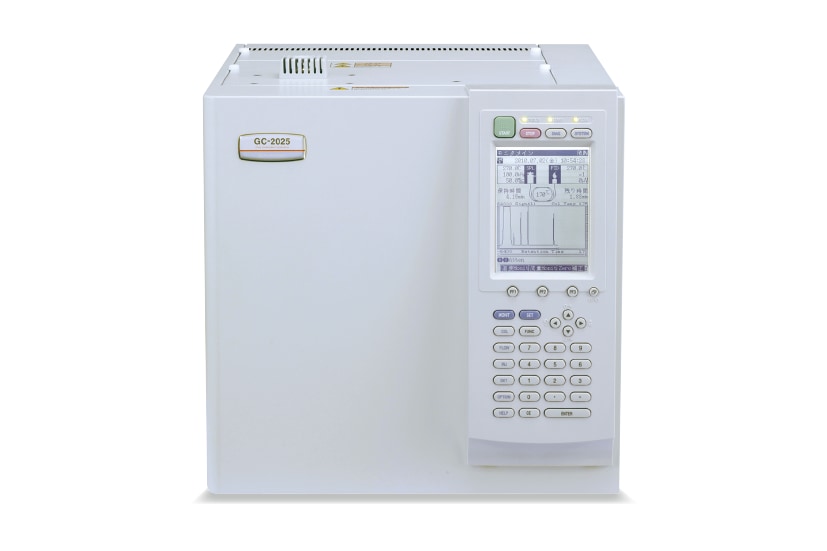
GC‑2025 — Exceptional Performance in an Energy‑Saving, Environment‑Conscious Design
Developed as Shimadzu strengthened its commitment to global environmental responsibility, the GC‑2025 was designed with a strong focus on minimizing environmental impact. It significantly reduced gas and power consumption, operated quietly, and featured a compact design that enabled economical operation.
Furthermore, by fully adopting RoHS‑compliant materials and constructing the system entirely from recyclable components, the GC‑2025 became the industry’s first environmentally conscious GC model.
-
2013
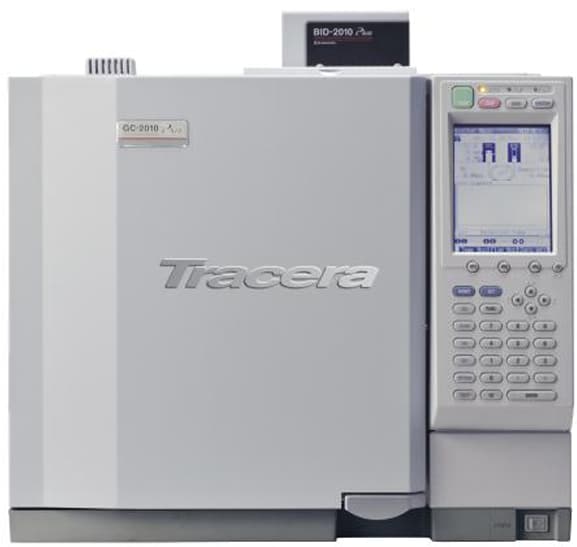
GC‑2010 Plus Tracera — A Multi-Purpose Model Offering Outstanding Sensitivity and Reliability
As global research in next‑generation materials and energy—such as Li‑ion battery development and photocatalyst studies—accelerated, the need to detect ultra‑trace components, including inorganic gases, grew rapidly. Tracera, a name created by combining Trace and Era, was equipped with Shimadzu’s proprietary BID (Barrier Discharge Ionization Detector), which enables highly sensitive measurements. Maintaining exceptional stability and reproducibility, the GC‑2010 Plus Tracera became an ideal solution for laboratories requiring precise and consistently reliable analysis.
-
2017
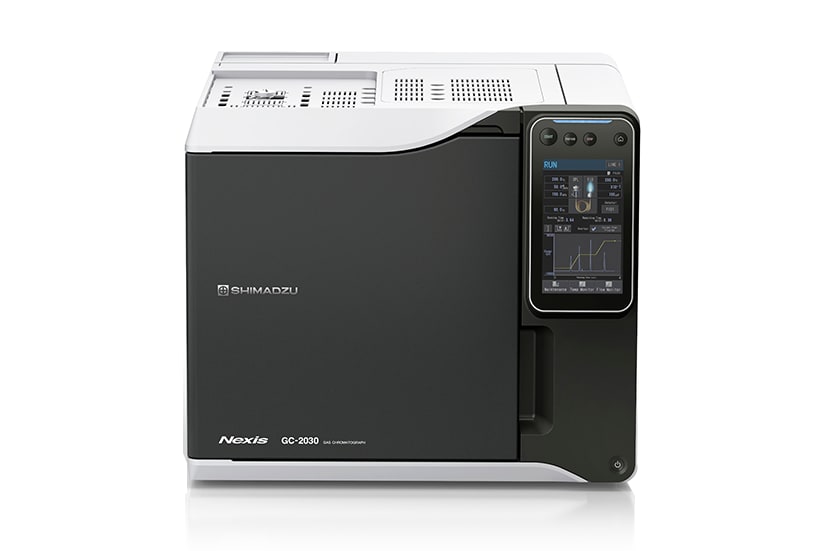
Nexis GC‑2030 — The Next Industry Standard
Designed to meet the growing need for alternatives to increasingly expensive helium, the Nexis GC‑2030 was developed to deliver dramatically enhanced analytical accuracy and sensitivity, setting a new standard in gas chromatography.
Equipped with high‑speed pneumatic control, automatic leak checks, and a hydrogen sensor, it ensures safe and reliable operation even when using hydrogen as the carrier gas. By fully leveraging hydrogen’s superior separation capabilities, the system provides highly accurate and reproducible analytical results.
-
2023
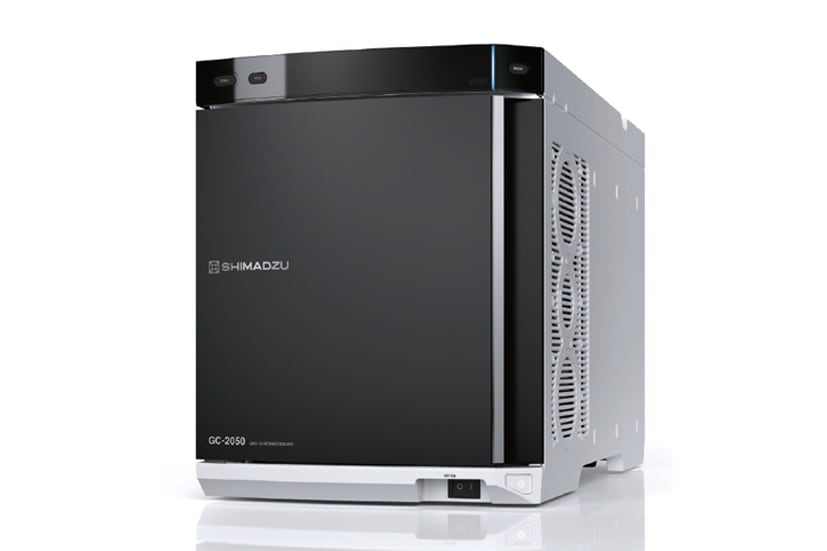
Brevis GC‑2050 — Small but Mighty
Born from the needs of laboratories facing limited bench space and demanding higher throughput, the Brevis GC‑2050 was designed with the concept of being “smaller, yet uncompromising in performance.” Brevis comes from Latin, meaning small or concise.
While using standard capillary columns, it is engineered as one of the smallest GC systems capable of true simultaneous dual‑line analysis—achieving a footprint approximately 65% narrower than the Nexis GC‑2030. It inherits high‑usability features from the Nexis series, such as ClickTek, and further optimizes thermal design within an even more compact chassis, reducing power consumption by about 30% compared with general GC systems.

-
2025
Brevis GC‑2050 — Now Fully Loaded, Delivering Cost Savings with Eco‑Idling
In conjunction with the release of the fully equipped Brevis GC‑2050—now compatible with various sample‑preparation accessories and the newly designed TCD detector—Shimadzu developed the Eco Idling function, which recommends the optimal energy‑saving operating mode based on the instrument’s usage history. Eco Idling is also available on existing Nexis GC‑2030 and Brevis GC‑2050 systems, significantly reducing gas and power consumption during idle periods and achieving both energy savings and improved operational efficiency.
-
2025
FluxEdge GC Systems — High Durability, High Speed, and High Precision
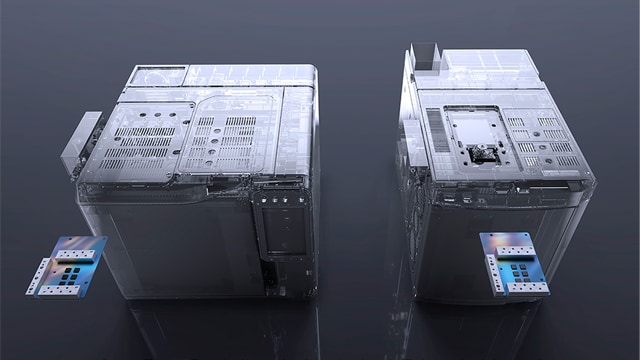
Featuring highly durable micro‑valves and a minimized flow‑path design, this system enables high‑speed analysis with minimal carryover. Compared with conventional rotary valves, it offers several hundred times greater durability, eliminating the need for valve maintenance. As research advances in decarbonization, catalysis, and new energy aimed at reducing greenhouse gases, the system contributes to improved laboratory productivity in applications such as monitoring various reaction gases.
-
2026
Nexis GC‑2060 — The New Next Industry Standard
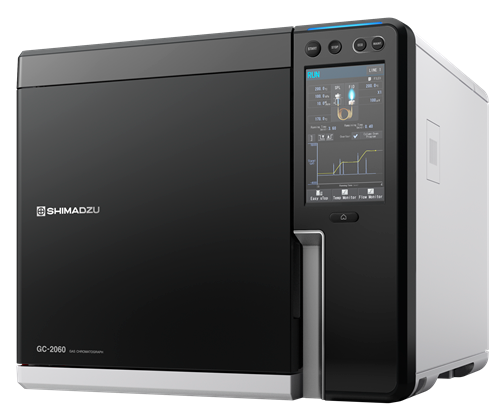
The Nexis GC‑2060 is Shimadzu’s latest flagship gas chromatograph, a model that establishes an enduring standard built upon 70 years of accumulated technological expertise. It is equipped with multi-mode injection unit such as the MMI, along with newly developed FID and TCD detectors that deliver world‑class performance. As the culmination of GC technologies refined together with customers over decades, the Nexis GC‑2060 offers both exceptional reliability and continuous innovation, serving as a trusted partner that supports users and advances the industry across generations.