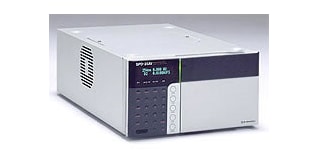
UV-VIS detector / Photodiode Array Detector


High Performance Liquid Chromatography
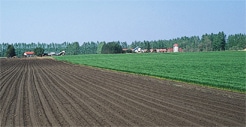
After it is spread onto agricultural land, nitrogen fertilizer converts to nitrate-nitrogen or nitrite-nitrogen and leaches into subsoil and river water polluting the groundwater. Drinking water with a high nitrate- nitrogen or nitrite-nitrogen content is a potential public health risk. It causes methemoglobinemia that inhibits the oxygen-carrying capacity of blood and has caused deaths in infants outside Japan. Fertilizers with high concentrations of nitrous acid and ammonium thiocyanate have a negative effect on plant growth, therefore maximum content levels (permitted content levels) for toxic substances are prescribed in official specifications for commercial fertilizers according to the Fertilizer Control Law. An example of simultaneous analysis of the nitrous acid and ammonium thiocyanate content of fertilizer by HPLC is described. Analysis was performed in conformance with the test method that appears in Testing Methods for Fertilizers (5.8.b and 5.9.a, 2016), published by the Food and Agricultural Materials Inspection Center (FAMIC).
January 11, 2017 GMT
Some products may be updated to newer models