
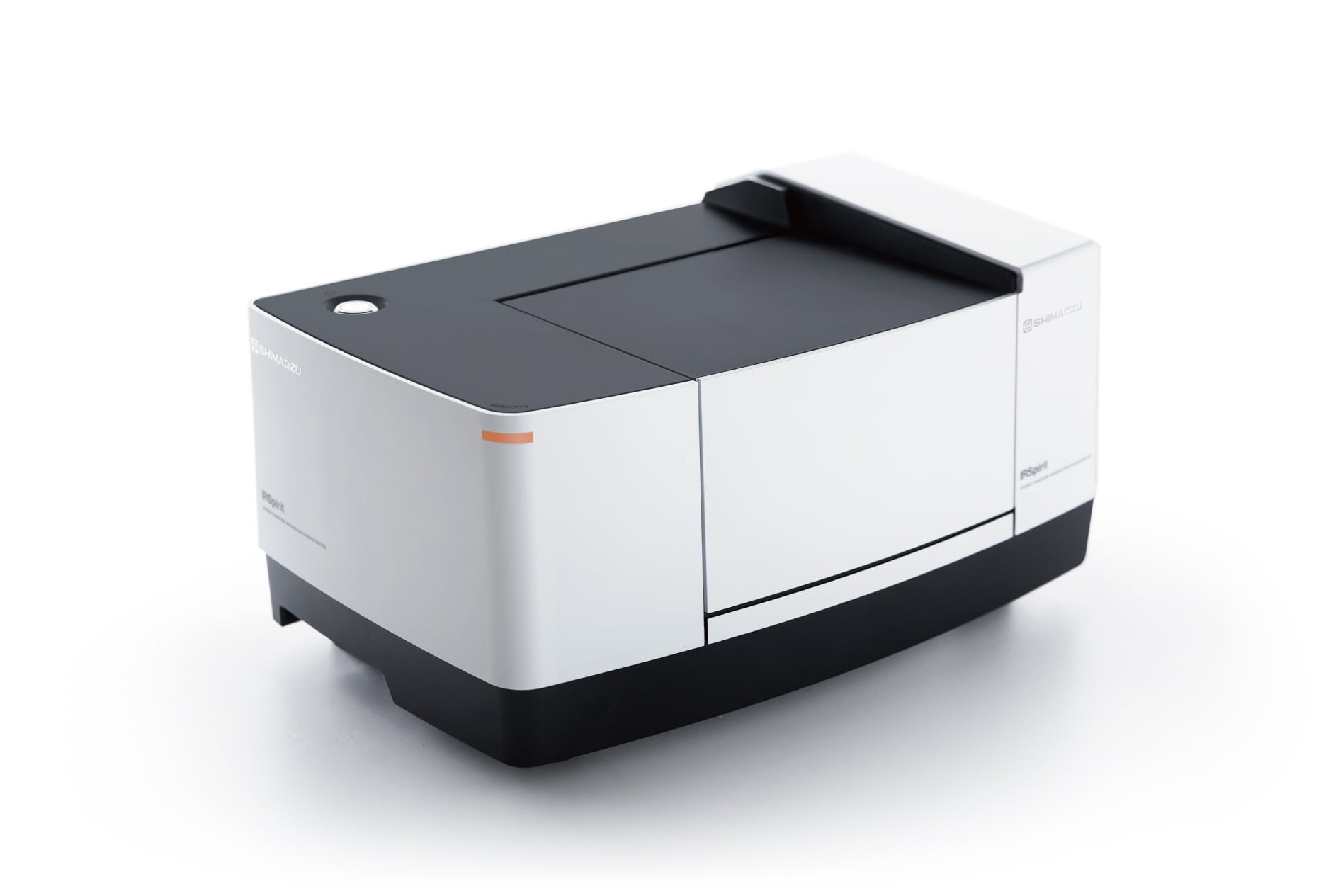
IRSpirit


Spectrophotometric Analysis
Engine oil is a type of lubricant which is used in engines. The parts in an engine operate at high speeds, and metal-to-metal wear and seizing (phenomenon causing damage to cylinders or pistons) can occur under these conditions. Internal engine parts are lubricated with engine oil to alleviate these problems. In addition, combustion and rotational motion cause various types of sludge (soiling, burnt residue) that reduce the performance and shorten the life of engines. Engine oil also plays a role in adsorbing and dispersing sludge. Soot is generated in engines by incomplete combustion of fuel. Because an increased soot content in engine oil may reduce lubrication performance and form an abrasive substance that can damage plastic parts, the soot content in engine is an indicator of the timing of engine oil changes. ASTM E2412-10 provides a method for condition monitoring of the soot content in lubricants by Fourier transform infrared (FTIR) spectroscopy. The ASTM standard describes a method of transmission measurement using a liquid cell with an optical path length of 0.1 mm (allowable range: 0.08 to 0.12 mm), and measurement of the soot content from the absorbance value at 2,000 cm-1. Although the accuracy and stability of this technique are excellent, time is required to clean the liquid cell. Here, we introduce a soot content measurement technique using an ATR measurement attachment that allows simple cleaning of the sample stage to enable efficient measurement work.
November 25, 2019 GMT