
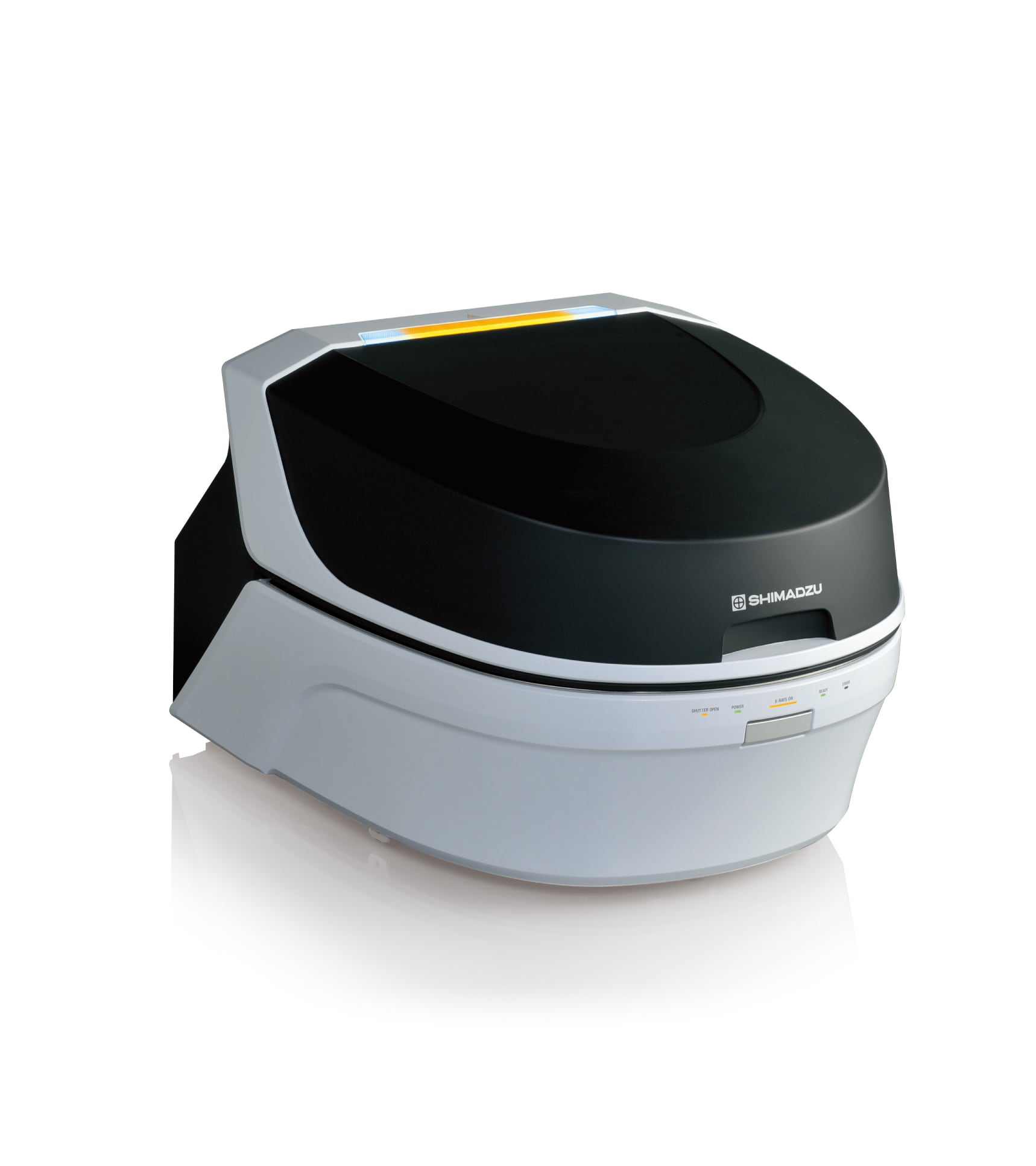
EDX-8100


X-Ray Analysis
The sulfur content of fuels is widely regulated to reduce atmospheric emissions of sulfur dioxide, or SO2, and other sulfur oxides, or SOx, during combustion of the fuel. Sulfur dioxide has wideranging negative health effects, particularly impacting the respiratory system as well as contributing to the formation of acid rain. The primary sources of SO2 in the atmosphere are from sulfur contained in fossil fuels that are burned for power generation and transportation as well as naturally-occurring volcanic emissions. To limit SO2 discharge into the atmosphere, various organizations and governments have imposed increasingly strict limits on the sulfur content of fuels. A recent example of this is the International Maritime Organization’s (IMO) regulation set to take place in 2020 limiting the content of sulfur in marine fuel at 0.5%, reduced from the current 3.5% limit. Because of its ease of use and minimal sample preparation, energy dispersive X-ray fluorescence, (EDXRF) spectrometry is a preferred method for the analysis of sulfur. This application note describes the use of Shimadzu’s EDX-7000 for compliance with ASTM D4294 and ISO 8754.
June 12, 2020 GMT
