
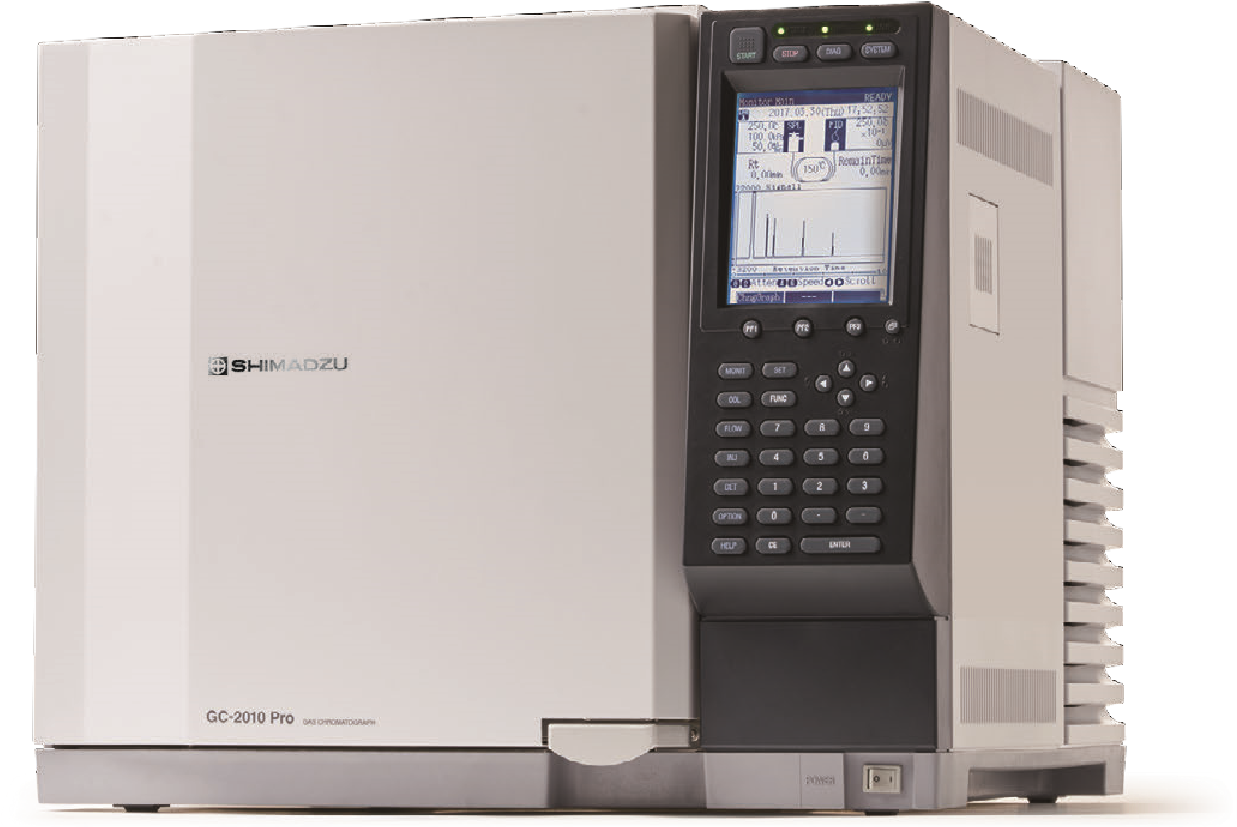
GC-2010 Pro


Gas Chromatography
Carbon monoxide (CO) is known as a toxic gas produced from the incomplete combustion of organic compounds. Since CO is responsible for many cases of poisoning, the carboxyhemoglobin saturation level is measured to be used as an index to determine whether poisoning by carbon monoxide has occurred. Gas chromatography thermal conductivity detectors (GC- TCD) employ an indirect measurement method that isolates carbon monoxide in blood for analysis, but sensitivity is not very high. On the other hand, barrier discharge ionization detectors (BID) are able to detect most compounds, with the exception of helium and neon, at high sensitivity compared to TCD. BID analysis is useful because measuring at higher sensitivities allows the volume of a blood sample used in testing to be reduced, enabling any remaining blood in the sample to be used in other tests. This article introduces an example of measuring carbon monoxide in blood using GC-BID.
March 20, 2019 GMT


