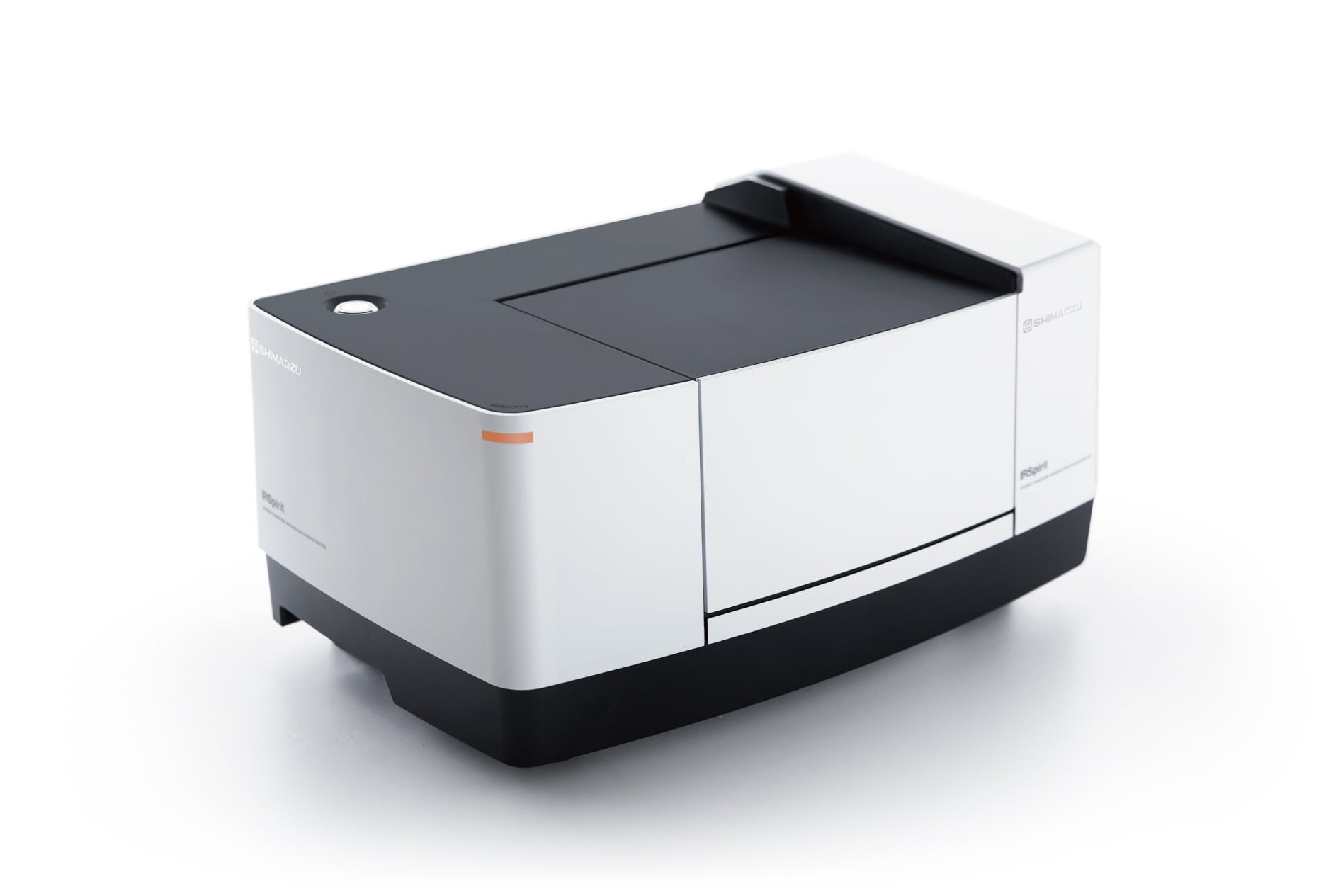
IRSpirit


Spectrophotometric Analysis
Bio Diesel Fuel (BDF) is a general term for fuels for diesel engines in which bio-derived oils are used as the raw material. BDF, which is a form of biomass energy derived from biological sources, has attracted attention from the viewpoint of prevention of global warming, and efforts are being made to use BDF as a fuel for automobiles and railways. One BDF is a biofuel which is produced by transesterification of oil raw material with methanol in the presence of a catalyst such as sodium hydroxide, removal of glycerines, and conversion to fatty acid methyl ester (FAME). FAME has a number of advantages, in that it does not form sulfur oxides (SOx) when burned, it can be mixed with petroleum at arbitrary ratios, and it has a high flash point and lubricating ability. The properties of FAME under a condition in which it is not mixed with diesel fuel are provided in the European standard EN14214, and the upper limit of FAME that can be mixed with diesel fuel is set at 7 wt% in the EN590:2009, which is a quality standard for diesel fuels. Standardization has also been studied in Japan referring to the European standards, and the upper limit of FAME that can be mixed with diesel fuel was set at 5 wt%. This article introduces a quantitative analysis method for FAME in diesel fuel by the transmission method of the Fourier transform infrared spectrometer (FTIR).
September 19, 2019 GMT