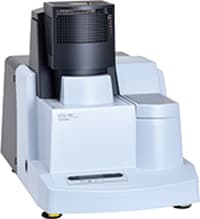
DTG-60 Series


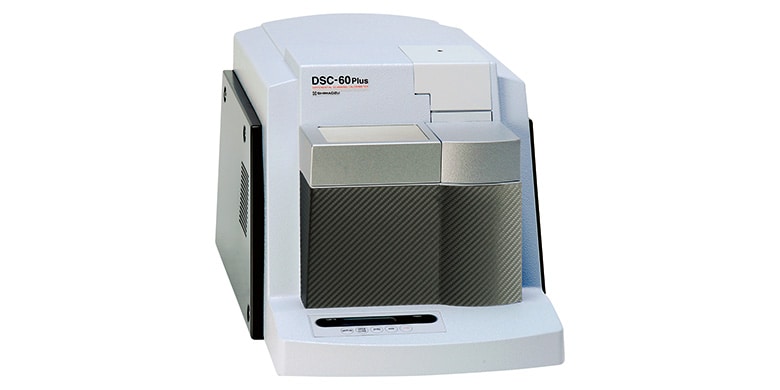
Plastics are commonly made of petroleum-based polymers such as low density polyethylene (LDPE), high density polyethylene (HDPE), polypropylene (PP) and polystyrene (PS). They are widely used due to their low cost, durability and versatility. However, most plastics are non-biodegradable, and has become a major environmental issue since they can remain as waste in the environment for a very long time, or break down to become microplastics. As an alternative, different plastic products such as oxo-biodegradable (O-BD) and biodegradable (BD) plastics have been introduced in the market. Oxo-biodegradable plastics are also made of petroleum-based polymers and contain additives that break the structure of polymeric chain in the presence of light and oxygen via oxidation mechanism [1]. As conventional plastics are not biodegradable in nature, interest in the development of biodegradable plastics has grown over the years. Starch has been considered as a good candidate to produce biodegradable plastics since it is renewable, biodegradable, and has low cost. This application news describes the use of Fourier Transform Infrared spectrometry (FTIR), Differential Scanning Calorimeter (DSC) and Thermogravimetric Analyzer (TGA) for characterization of plastic bags, which are labelled either as oxo-biodegradable or biodegradable.
June 29, 2020 GMT