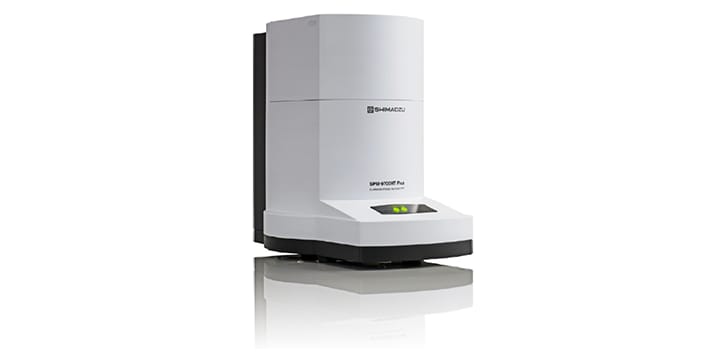
SPM-9700HT Plus


Rechargeable lithium-ion batteries are a type of storage battery in which a lithium transition metal oxide compound, represented by lithium cobalt oxide, is used in the positive electrode, graphite, black lead, or other carbon material is used in the negative electrode, and an organic solvent is used in the electrolyte. Taking advantage of their high energy density and cell voltage, rechargeable lithium-ion batteries are widely used as rechargeable batteries for small consumer electronic products such as smartphones and other IT devices. In recent years, development to plugin hybrid vehicles and electric vehicle applications has also been remarkable, and even higher output and performance are expected. On the other hand, because rechargeable lithium-ion batteries are unstable due to short circuit, overcharging/overdischarging and impact, various measures have been taken to enhance safety. The separator is one critical part that contributes to safety. Separators play the roles of preventing short circuit between the positive and negative electrodes, while simultaneously allowing smooth passage of lithium ions. However, when a battery short circuit or other problem causes heat generation, they also have the function of breaking the electrical current. Micro porous polyolefin films are used as general separator materials. When a high temperature condition occurs, these films have a shutdown function that prevents passage of ions by closing the pore structures at temperatures near the melting point of the material. This article introduces an example of observation of separators with a scanning probe microscope (SPM).
February 26, 2020 GMT