
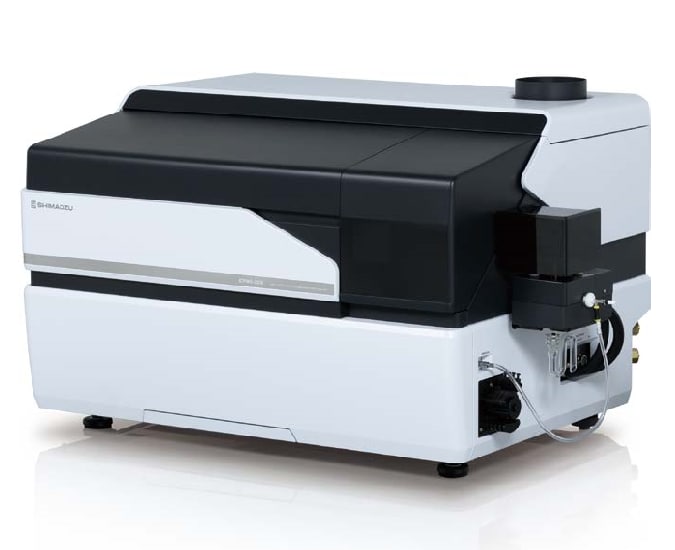
ICPMS-2030


Egg is an important source of high quality natural proteins, lipids, fatty acids, vitamins and essential minerals. Chemical composition of egg is complicated due to presence of many organic compounds that can bind trace elements e.g. protein ovalbumin attracts Se, Hg, Zn, Cu, Mn, glycoprotein ovotransferrin and phosphoproteins bind Fe ions. The elemental content of egg need to be checked for food safety assessment. It should be considered that essential elements may become toxic if consumed in excessive amount or contrary, may lead to element deficiency if consumed insufficiently. Poultry feed composition is different in various parts of the world. It reflects in elemental content of egg yolk and albumen. The contamination of elements in egg can be because of microorganism and by chemical substances which are transferred from environment into food chain. The aim of the present study was to quantitate trace elements in chicken egg in accordance with FSSAI Maximum Residual Limits (MRLs) as shown in Table 1.
January 10, 2020 GMT