HS-20 NX series


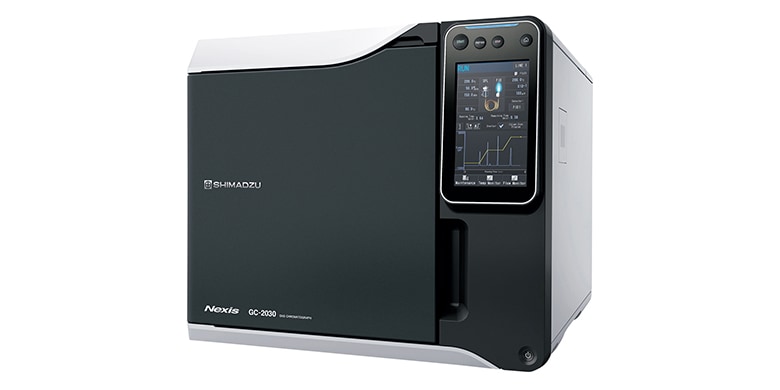
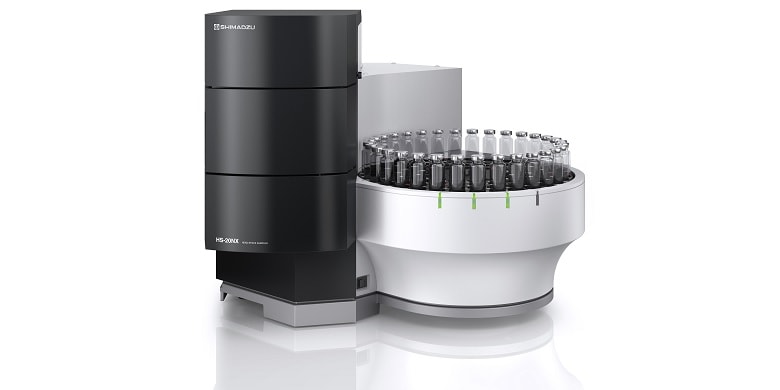
- The use of H2 as a carrier gas, which is inexpensive and easy to obtain, contributes to cost reduction in the laboratory. - H2 carrier gas is used to achieve the accuracy required by the USP. - A hydrogen sensor ensures H2 carrier gas can be used safely. - Using a state-of-the-art HS-20 NX headspace sampler enables reliable measurement of residual solvents in pharmaceuticals.
Test methods for residual solvents in pharmaceuticals are specified in the USP (United States Pharmacopeia) General Chapter <467> Residual Solvents, which mainly specifies using the headspace GC method. Residual solvents in pharmaceuticals are classified into Classes 1 to 3 based on potential risks to human health and strictly controlled accordingly. Sensitive analysis is required. The carrier gas generally used for analysis is He, but the depletion of He has become a problem recently. Consequently, there is a need for using an alternative carrier gas such as H2 for analysis. Any method changes, such as substituting He with an alternate carrier gas, must be validated according to USP Chapter <1467> Residual Solvents—Verification of Compendial Procedures and Validation of Alternative Procedures. This paper presents the results of using H2 as a carrier gas with an HS-20 NX headspace sampler to analyze Class 1 and 2 water- soluble samples in accordance with USP General Chapter <467> Residual Solvents. * Analyticalsampleswerepreparedusingadifferentprocedure from the USP to confirm the performance of the apparatus.
June 15, 2023 GMT
Some products may be updated to newer models