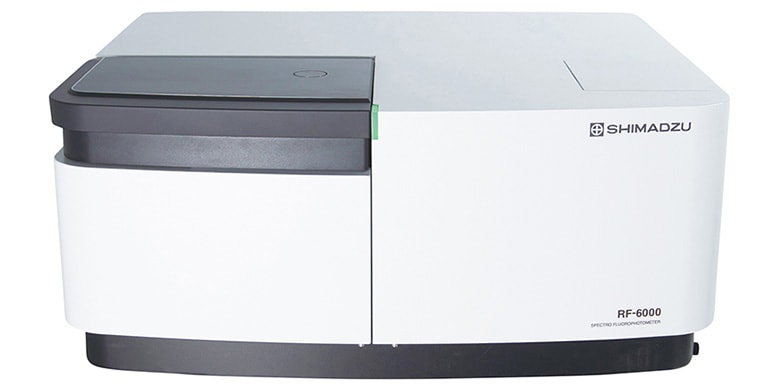
RF-6000


- Quickly achieves separation between coumarin, cinnamaldehyde, and contaminants. - Pretreatment can be accomplished easily using a protocol based on solid phase extraction without conditioning. - Enables quantitative analysis at optimal detection wavelengths with one analysis.
Cinnamon, which is ground from the dried bark of an evergreen tree in the Lauracee family, has been used from ancient times as a food spice and herbal remedy. As a spice, it is commonly used in confections, teas, curries, and meat dishes. It can promote digestion, stomach health, intestinal regulation, detoxification, pain relief, and other benefits, and has even been reported to be effective in preventing or improving diabetes. The main types of cinnamon are Cinnamomum verum (Ceylon cinnamon) and Cinnamomum cassia. Both types contain compounds such as coumarin and cinnamaldehyde, but their concentrations vary significantly depending on the region where it is produced. Due to the hepatotoxicity of coumarin, the German Federal Institute for Risk Assessment (BR) specified a maximum recommended tolerable daily intake of 0.1 mg of coumarin per kg of body weight. Meanwhile, animal studies of cinnamaldehyde have shown detrimental fetal effects. Consequently, determining the concentration of those compounds in cinnamon is considered important. This article describes a method for using high-performance liquid chromatography to simultaneously quantify the content of coumarin and cinnamaldehyde in cinnamon samples from different regions.
January 6, 2022 GMT