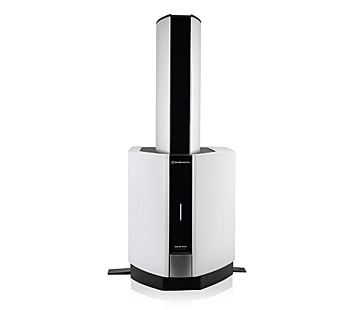
MALDI-8030


- Minimal sample preparation which does not require labor-intensive procedures and excessive solvent use - Fast, automated sample analysis using a Shimadzu benchtop series linear MALDI-TOF mass spectrometer in positive ion mode - Easy classification of unknown samples by PCA analysis and machine learning with the Shimadzu eMSTAT Solution software
Extra-virgin olive oil (EVOO) is the highest grade of olive oil due to its unique production process in which olive fruits are crushed solely through mechanical pressing under cold conditions, thus preserving its chemical balance and characteristic properties. EVOO has also been recognised as being nutraceutic, as it provides nutritional and health benefits due to its optimal balance of saturated, monounsaturated and polyunsaturated fatty acids, and minor components such as polyphenols, tocopherols and sterols. These health benefits, and the higher production costs, result in a higher value product which is reflected in the price. For all these reasons, EVOO is a vulnerable target of adulteration through the addition of alternative, cheaper vegetable oils, in an attempt by producers and traders to fraudulently sell these lower quality adulterated oils as genuine, more expensive EVOO products. Typical vegetable oils which can be found in adulterated EVOOs are palm, canola, hazelnut, pomace, sunflower, corn, soybean, peanut, and others. Besides the economic damage, there are also concerns over the safety of non-genuine EVOOs for human consumption, due to the exposure to potentially hazardous allergens, such those in hazelnut oil. To combat extra-virgin olive oil frauds, rigorous and efficient quality control assays have been established to protect the identity of this unique product. In the EC Regulation 2568/91, the European Union (EU) provides some analytical methods for the assessment of olive oil quality and authenticity. Among these, those based on triacylglycerols (by high-performance liquid chromatography) and fatty acid and sterol (by gas chromatography) profiles are quite popular. However, these methods often have the drawback of requiring time-consuming extractions, large solvent volumes and long analysis times. Therefore, simplifying and speeding up analysis methods, while preserving the quality and robustness of the data, are necessary steps. Triacylglycerols (TAGs) account for more than 90% of the chemical content of edible oils. The TAG composition is unique for each type of oil, as the fatty acid expression is plant-specific. Therefore, TAG ‘fingerprints’ are extremely useful for oil typing, as TAG expression and ratios are a reflection of the fatty acid abundance. Here, we propose a simple and powerful analytical method to tackle the problem of EVOO fraud. Sunflower oil was used as an example adulterant. The three key steps of the analytical workflow are: 1) minimal sample treatment; 2) fast, automated LDI (matrix-free) analyses of TAG profiles carried out on a Shimadzu benchtop series linear MALDI-TOF mass spectrometer (MALDI-8020/MALDI-8030) in positive ion mode; 3) multivariate analysis and machine learning for the classification of unknown data with the Shimadzu eMSTAT Solution data analysis software. The EVOO adulteration was simulated by spiking sunflower oil into EVOO at 5, 10 and 20% amounts.
April 5, 2022 GMT