
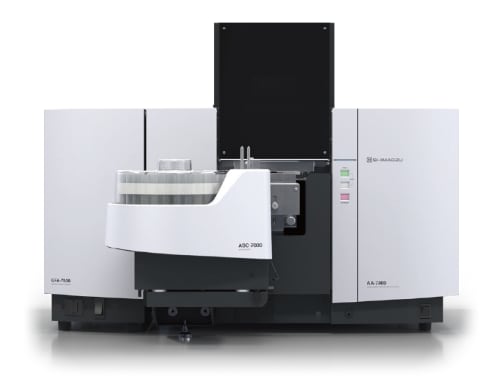
AA-7800


- Cadmium in brown rice can easily be analyzed by a diluted acid extraction method. - Positioning the atom booster above the burner head increases how long atoms are delayed inside the flame, which increases absorbance by about 2 to 3 times by increasing the atomization density.
Cadmium is found in many foods, including rice, vegetables, fruits, meat, and fish. In Japan, the highest intake of cadmium comes from rice, which is estimated to account for about 40% of total intake. In 2010, the Food Sanitation Act was amended to specify that “brown rice and polished rice should not contain more than 0.4 ppm (mg/kg) of cadmium,” with the regulation was strengthened from the previous standard of less than 1.0 ppm (mg/kg). The current official method requires the wet ashing of brown rice samples with strong acid (sulfuric acid and nitric acid) followed by extraction with methyl isobutyl ketone using a chelating agent (sodium diethyldithiocarbamate). That method has problems with taking a long time for decomposition, poor operating efficiency, analyst exposure to hazardous materials, and disposal of liquid waste. This article describes using a simple screening method (not compliant with the official method) that can quickly provide high sensitivity cadmium measurement results by extracting and filtering brown rice components with diluted acid and measuring it directly in an AA-7800 atomic absorption spectrophotometer.
March 1, 2023 GMT