HS-20 NX series


- Using trap-headspace-GCMS as an alternative technique to purge-and-trap with GCMS in accordance with US EPA Method 8260D criteria for the analysis of VOCs in water matrix. - Capability of analyzing volatile organic compounds (VOCs) at very low limit of quantitation, as low as 0.5 ng/mL.
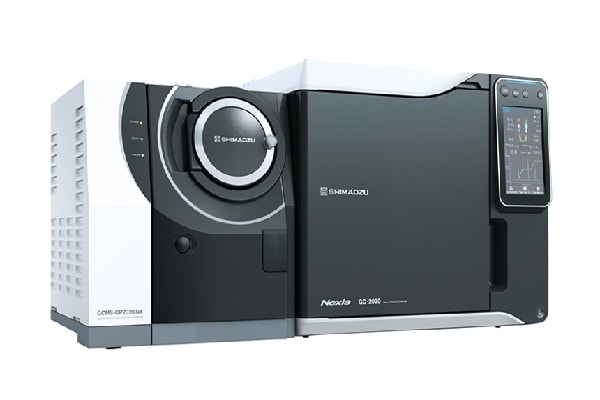
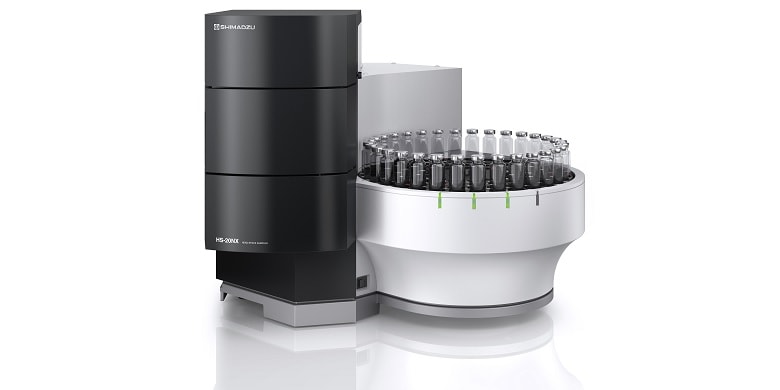
According to United States Environmental Protection Agency (US EPA), volatiles organic compounds (VOCs) are defined as compounds with high vapor pressure that can easily evaporate into gases. Improper dumping of waste or industrial leachates contaminates underground water. This contaminated water exposes humans to VOCs in their daily lives. Each VOC poses different exposure risk based on its individual constituents. To protect human health and the environment, the US EPA developed Method 8260D1) to identify and quantify VOCs in water using single quadrupole GCMS. Purge-and-trap is a common sampling technique for this application. However, in this study, Shimadzu’s Trap-Headspace system is utilized as an alternative sampling technique and is evaluated against EPA 8260D criteria. VOCs sampled from the headspace are concentrated in a trap before being injected into the GC, providing high sensitivity in the analysis. The headspace system, HS-20 NX (Trap Model), also features heated and inert sample lines with a short transfer line to suppress analytes adsorption. In this application news, the HS-20 NX (Trap Model) is coupled with Shimadzu GCMS-QP2020 NX to achieve high sensitivity in VOCs in water analysis.
January 16, 2025 GMT
Some products may be updated to newer models