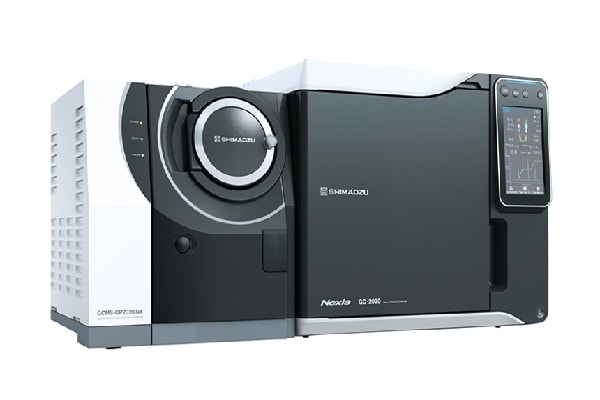
GCMS-QP2020 NX


- With a split FPD(S) and MS detector system, sulfur compounds can be detected selectively and with high sensitivity by the FPD detector while being qualitatively analyzed simultaneously by the MS detector, which significantly reduces the time and effort required. - The LabSolutions GCMS system makes it easy to configure settings for complex detector splitting. - With evolved gas analysis, polymer materials can be inferred from thermogram average mass spectra.
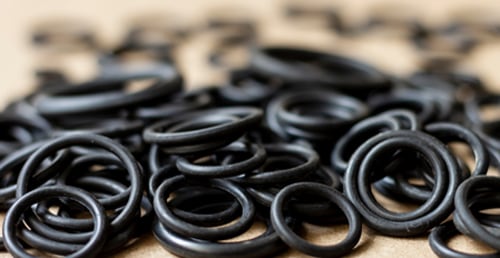
The rubber used in tires for automobiles, bicycles, and other types of tires needs to have high resistance to the weather, heat, and wear for long periods of use. But as the rubber wears, it mixes with mineral particles from the road to generate “tire and road wear particles” (TRWP). TRWP matter is known to be a type of microplastic that causes marine plastic pollution. TRWP can contain a large variety of substances, such as vulcanizing accelerators, antioxidants (such as 6PPD), and plasticizers, and when released into the environment, TRWP substances can be harmful to ecosystems. Therefore, to reduce the quantity of TRWP matter released, it is important to increase the wear resistance of tires. To achieve this, an assessment of the base materials and additives in rubber is essential. Among additives, vulcanizing accelerators in particular improve the physical properties of tires by promoting sulfur vulcanization reactions. This article analyzes the base materials in tire rubber and additives, such as vulcanizing accelerators and other sulfur components.
June 10, 2025 GMT
Some products may be updated to newer models