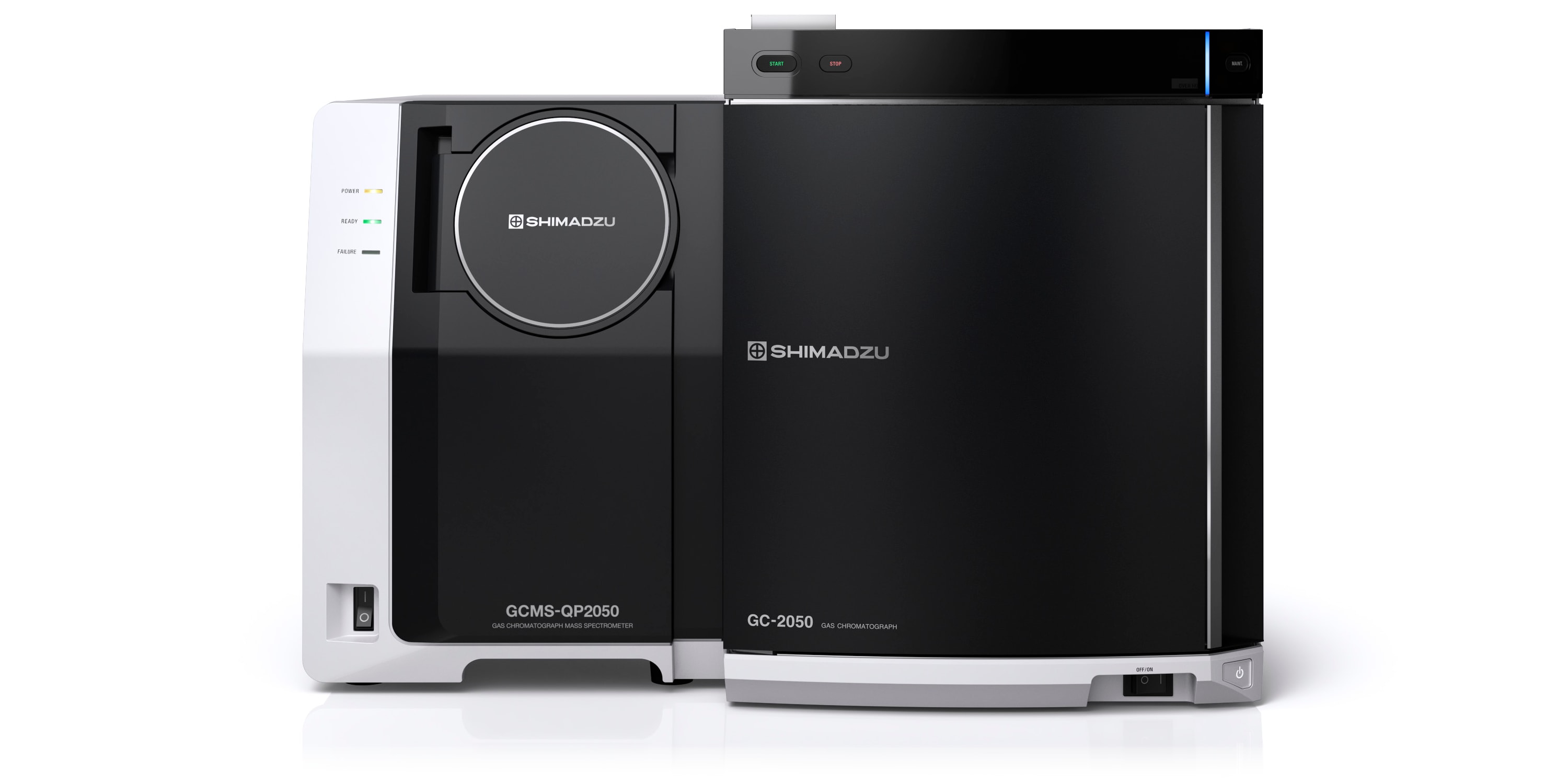

GCMS-TQ RX Series


- Both hydrophilic and hydrophobic metabolites can be analyzed serially using the same column. - The Multi-Omics Analysis Package can be used for integrated analysis of hydrophilic and hydrophobic metabolites and for visualizing differences in metabolic pathways.
Plants are known to generate secondary metabolites, such as terpenes and flavonoids, which help the body’s defenses. They have also been widely used as flavors or functional ingredients. Ginger (Zingiber officinale) is a perennial plant that has a variety of uses. In Japan, different cultivars are used for different purposes. For example, ginger plants with large roots, such as Tosa ginger, are mainly used for culinary purposes, whereas those with small roots, such as Kintoki ginger, are used for medicinal purposes. These differences in their uses are thought to correlate with primary metabolites, which are associated with flavor and nutrition, and secondary metabolites, which have medicinal benefits. Therefore, in this Application News article, an integrative comparison of the metabolic profiles of primary metabolites (with a focus on hydrophilic metabolites) and hydrophobic secondary metabolites was used to clarify the differences between Kintoki and Tosa ginger cultivars.
July 8, 2025 GMT