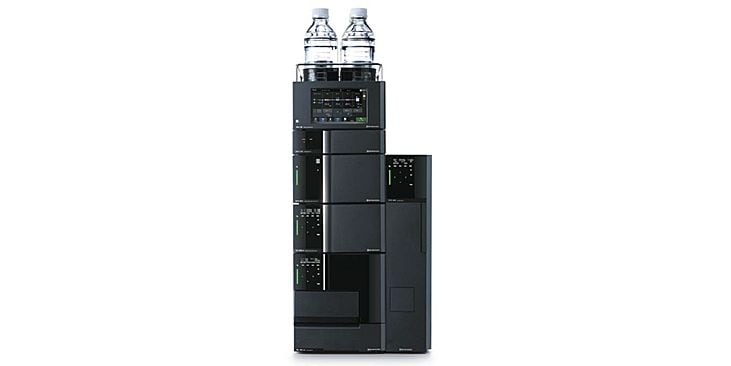
Nexera Series Ultra High Performance Liquid Chromatograph


- Single method for simultaneous detection of both N-nitrosamines and NDSRI by using LC-MS/MS - A novel LC-MS/MS ionization source enabling selective and sensitive detection of both N-nitrosamines and NDSRI - Simple and sensitive LC-MS/MS method to quantify nine N-nitrosamines impurities and 1 NDSRI without any complex sample pre-treatment
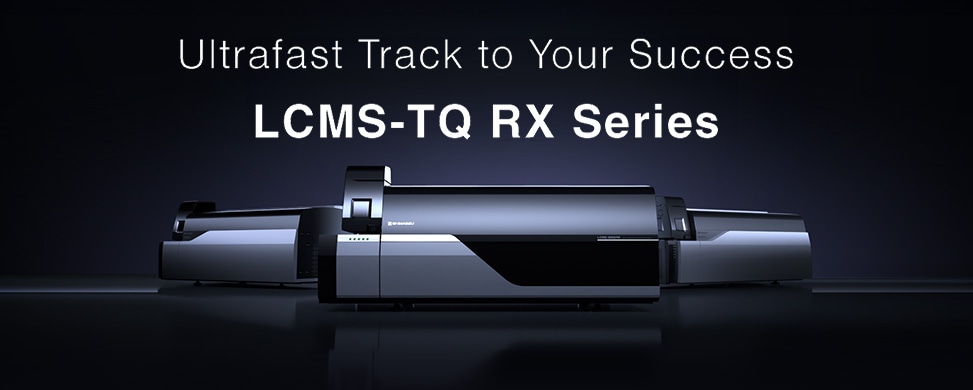
N-nitrosamines have been monitored extensively in pharmaceuticals since 2018. Since 2020, there has been an increased number of reports of more structurally complex N-nitrosamines related to the structure of the active substance itself in several drug products. These are often referred to as “nitrosamine drug substance related impurities” (NDSRIs) and are generally formed by nitrosation of an amine moiety present in the active substance. After N-nitrosamines, the US Food and Drug Administration (FDA) now demands the pharmaceutical manufacturers to establish if their active pharmaceutical substance (API) or formulation is free from NDSRIs. Considering the risk associated and regulatory implications, there is an increasing demand for testing of both these type of molecules in API and formulations. N-nitrosamines are typically monitored using atmospheric pressure chemical ionization (APCI) in LCMS analysis. This preference is due to their smaller molecular size, which can result in higher background interference when using electrospray ionization (ESI). In contrast, NDSRIs are primarily analyzed using ESI because they exhibit higher sensitivity with this ionization method. Considering the above scenario, API and formulations with potential of having presence of both N-nitrosamines and NDSRIs need to be tested with multiple methods. Consumption of chemicals, reagents and decreasing throughput are some of the drawbacks associating with such multiple testing. This leads to a high demand for having a method with simultaneous detection of both N-nitrosamines and NDSRI using LC-MS/MS. For simultaneous detection, a dual ionization source (DUIS) can be very useful as it can ionize both the N-nitrosamines and NDSRIs using same interface. Optimum sensitivities for individual compounds can be achieved by optimizing the source conditions to either have ESI like or APCI like conditions. This application news describes a partially-validated LC-MS/MS procedure for quantitation of nine N-nitrosamines and NDSRI in Afatinib API and formulation which was performed using an Ultra High Performance Liquid Chromatograph (UHPLC) Nexera X3 coupled with LCMS-8060NX, a Triple Quadrupole Mass Spectrometer equipped with a DUIS source from Shimadzu Corporation, Japan. The nine N-nitrosamines and one NDSRI includes N-nitroso-dimethylamine (NDMA), N-nitrosomethylethylamine (NMEA), N-Nitrosopyrrolidine (NPYR), N-nitroso-diethylamine (NDEA), N-nitrosopiperidine (NPIP), N-nitroso-ethyl-isopropylamine (NEIPA), N-nitroso-diisopropylamine (NDIPA), N-nitroso-dipropylamine (NDPA), N-nitroso-dibutylamine (NDBA) and N-nitroso Afatinib impurity-2 (N-AFA).
August 7, 2025 GMT
Some products may be updated to newer models