GCMS-QP2050


- Compared with helium, nitrogen carrier gas is inexpensive and readily available. - Using the headspace sampler in trap mode enables highly sensitive measurement of volatile organic compounds in water. - An electrically cooled trap enables the measurement of low boiling point and high boiling point components in a single analysis.
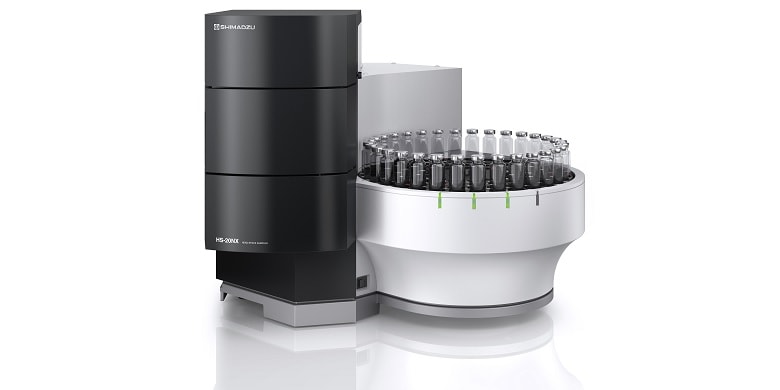
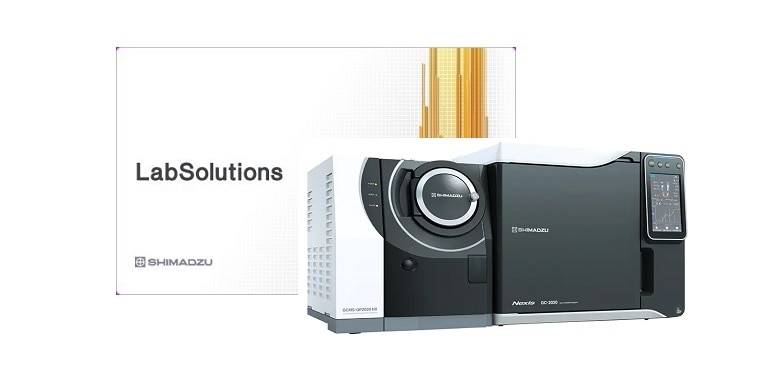
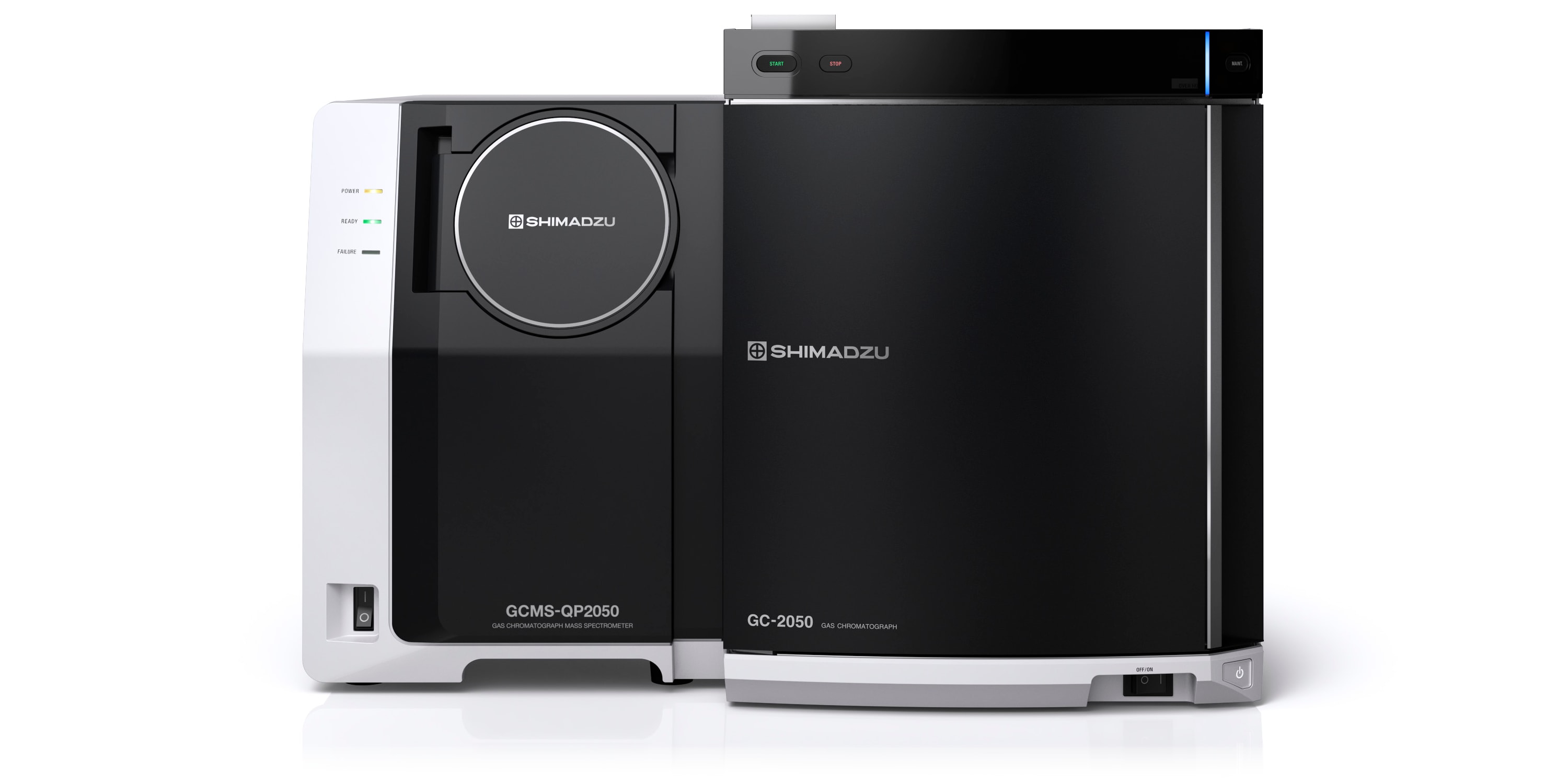
Due to the health issues associated with volatile organic compounds (VOCs), standards and regulations are established for VOC levels in water. VOCs are preferably measured by methods that involve simple sample pretreatment, and headspace GC-MS is one of these methods commonly used to measure VOC levels. GC-MS is normally performed with helium carrier gas, but helium gas could require more cost and lead time to obtain for analytical use every year. There is a need for a GC-MS analysis method that can be performed using relatively inexpensive and readily available nitrogen carrier gas. While nitrogen carrier gas results in inferior analytical sensitivity compared with helium carrier gas, trap mode sampling can salvage the reduction of the sensitivity. This Application News presents an example measurement of VOCs in water using nitrogen carrier gas performed on the GCMS-QP2050 gas chromatograph mass spectrometer and the HS-20 NX headspace sampler in trap mode.
August 19, 2025 GMT
Some products may be updated to newer models