Method Development System


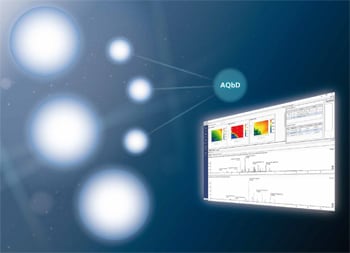
- The AI algorithm of LabSolutions MD can automatically optimize gradient conditions to greatly reduce labor of LC method development. - Gradient conditions are automatically optimized at different column oven temperatures consecutively. - UHPLC methods efficiently developed in a short time can be automatically transferred to conventional HPLC methods while maintaining the separation pattern.
In the typical LC method development, the process begins with “preparation” which includes mobile phase preparation, column installation, and creation of analysis schedules, then the analysis is started. After that, the acquired data is analyzed and “preparation” for the subsequent analysis is carried out, followed by starting the next analysis again. The method development progresses by repeating these processes, but in addition to the significant time required to repeatedly create analysis schedules, expertise in chromatography is necessary to explore optimal conditions based on data analysis. In other words, typical method development requires “human intervention”. Therefore, eliminating human involvement and automating such method development processes would be desirable to improve labor efficiency. This article introduces an approach for automatically optimizing gradient conditions at different column oven temperatures consecutively, identifying the combination of temperature and gradient conditions that meet the resolution criteria. Subsequently, a case study on the automatic adjustment of parameters for transferring an optimized UHPLC method to conventional HPLC is described.
August 31, 2025 GMT
Some products may be updated to newer models