ICPMS-2040 Series / ICPMS-2050 Series


- Enables the analysis of elemental impurities in various kinds of petroleum distillates (light and middle distillates) with the sample preparation method that involves only dilution with organic solvents. - Metal elements in petroleum distillates (light and middle distillates) can be accurately analyzed over a long period of time. - Solvent-resistant peristaltic pump tubing enables the addition of internal standard elements in-line, even for organic solvent analysis, thereby eliminating the need for manual addition.
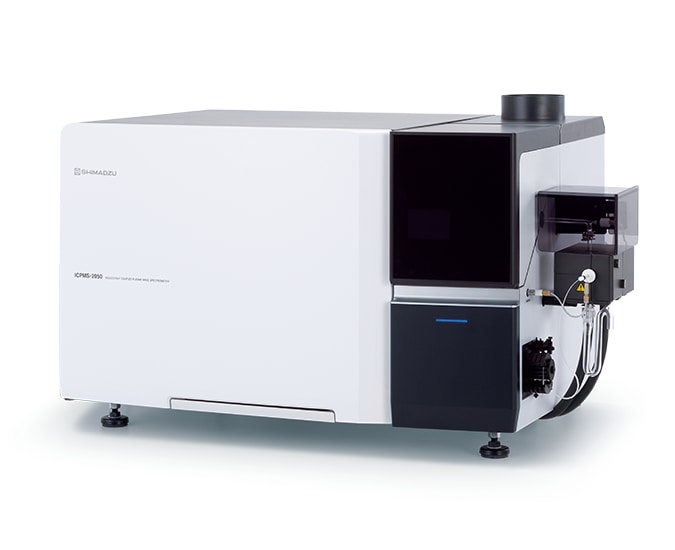
The concentration of metal elements in petroleum products needs to be controlled due to concerns that they can act as catalyst poisons and affect product quality. Additionally, it is important to measure the concentration of heavy metals to reduce environmental impact during emissions. Traditionally, analytical methods using ICP Optical Emission Spectrometry (ICP-OES), such as ASTM D7111-16, have been employed to determine metal elements in petroleum products. However, in recent years, there has been a demand for more sensitive analytical methods using ICP mass spectrometry (ICP-MS), such as ASTM D8110-17, to detect trace amounts of metal elements. ASTM D8110-17 is the test method for the analysis of elements in petroleum distillates (light and middle distillates) using ICP-MS. Since this method involves diluting the sample with organic solvents, it is necessary to introduce organic solvent samples into the ICP-MS. In this Application News, various light and middle distillates were diluted with organic solvents in accordance with ASTM D8110-17 and trace elements were analyzed using the ICPMS-2050. The validity of the analytical results was confirmed through spike recovery tests and the analysis of reference material for residual fuel oil. Additionally, the stability of the analysis over long periods of time was evaluated.
August 26, 2025 GMT
Some products may be updated to newer models