i-Series


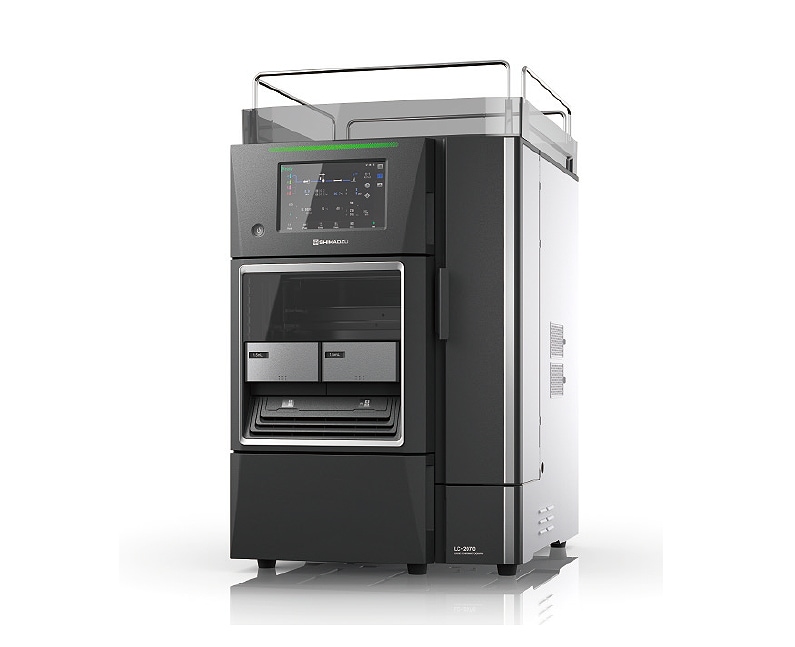
Sweeteners are widely used in the food industry to enhance flavor and sweetness while influencing nutritional value and health outcomes. They can be broadly classified into natural and artificial sweeteners. Natural sweeteners, such as honey, maple syrup, and fruit extracts, contain varying proportions of sugars, primarily fructose, glucose, sucrose, and lactose. On the other hand, artificial sweeteners, such as aspartame, saccharin, and sucralose, are synthetically produced to provide sweetness with little to no caloric content. Understanding the composition of sugars in different sweeteners is essential for assessing their nutritional impact and potential health effects. Fructose and glucose, which are simple sugars, are naturally present in many fruits and honey, whereas sucrose, a disaccharide, is commonly found in table sugar and processed foods. Lactose, another disaccharide, is primarily present in dairy-based sweeteners. This study aims to analyze and compare the sugar content—specifically fructose, glucose, lactose, and sucrose—in various natural and artificial sweeteners. By evaluating their sugar profiles, this research will contribute to a better understanding of their potential effects on human health and their suitability for different dietary needs. This research presents a validated approach for detecting four different sugars in natural and artificial drinks using LC-2060C 3D coupled with RID-20A from Shimadzu Corporation Japan.
October 5, 2025 GMT