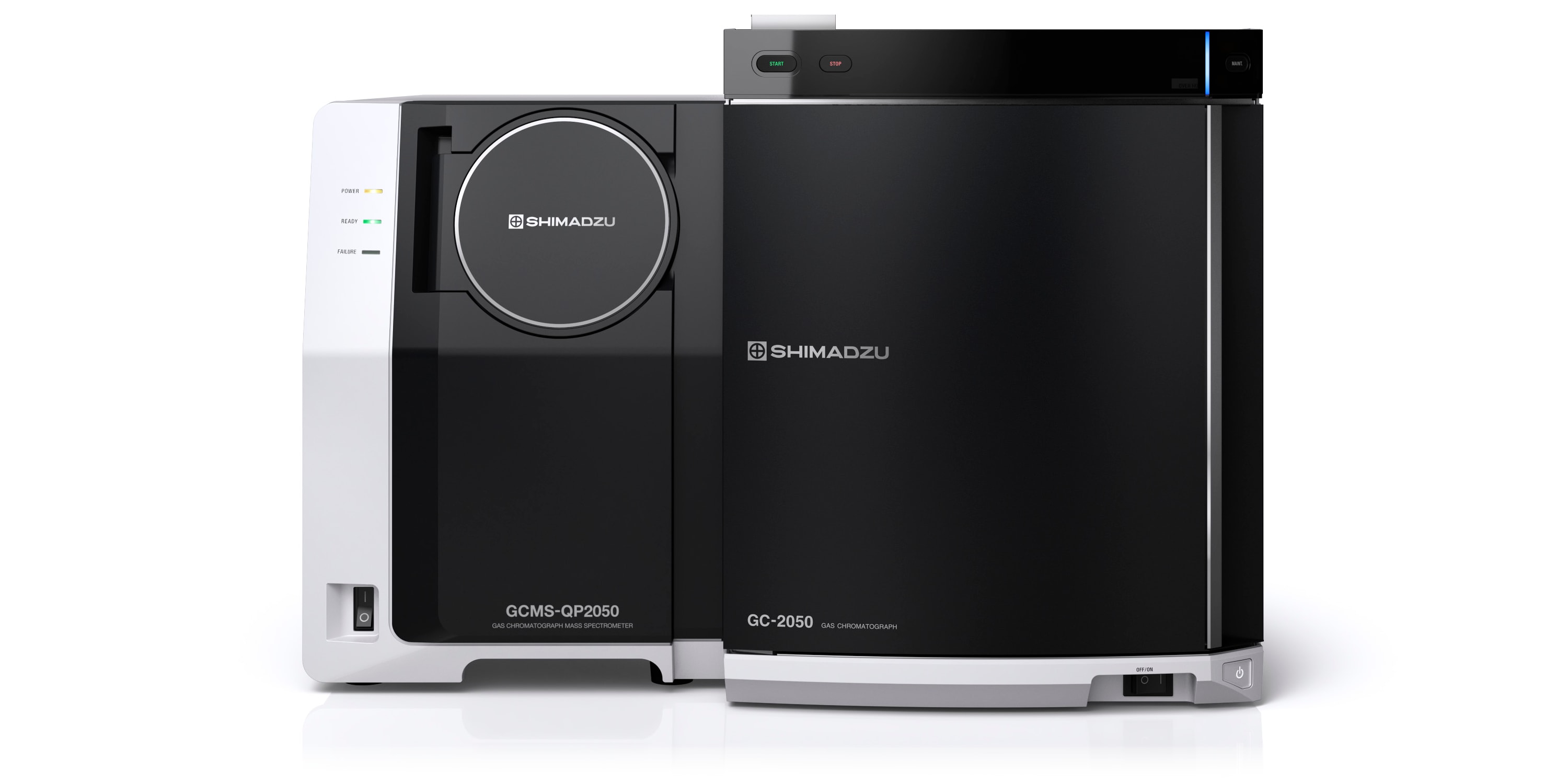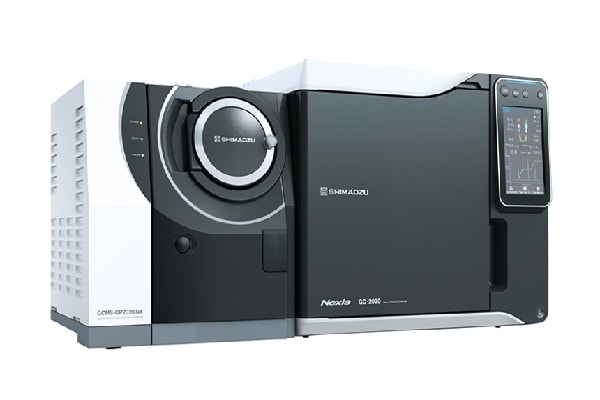
GCMS-QP2020 NX


- The simple analysis procedure required just cutting off a sample fragment and placing it in a sample cup without pretreatment. - Utilizing a calibration standard that includes a resin solution allows for analysis under conditions that closely resemble those of samples, which improves the reliability of quantitative measurements. - With Shimadzu’s Polymer Additive Library, it is possible to acquire information on the additives of identified compounds.
6PPD (N-(1,3-dimethylbutyl)-N'-phenyl-p-phenylenediamine) is an anti-degradant (anti-oxidant) additive that is used in many rubber products. It plays an important role in tires by preventing degradation and extending its lifespan. However, when 6PPD reacts with ozone in the atmosphere, it forms a highly toxic substance called 6PPD-quinone (6PPD-Q). As an automotive tire wears, microscopic particles are released from the tire into the environment. These particles, tire road wear particles (TRWP), contain 6PPD-Q along with many other chemical substances. On rainy days, these particles are washed into rivers and other bodies of water, where they accumulate in the environment as microplastics. There are serious concerns about the negative effects these microplastics have on ecosystems and the environment. 6PPD-Q has been shown to induce acute mortality in Salmonidae fish, specifically coho salmon. Currently, there is no commercial alternative that can maintain tire stability and performance with minimal impact on the environment. Research into alternatives requires accurately assessing 6PPD levels in rubber products and objectively determining whether alternative compounds offer equivalent stability and performance while having a reduced impact on the environment. This article describes using a pyrolysis gas chromatograph mass spectrometer (Py-GC-MS) system to measure 6PPD levels in tire rubber.
October 21, 2025 GMT